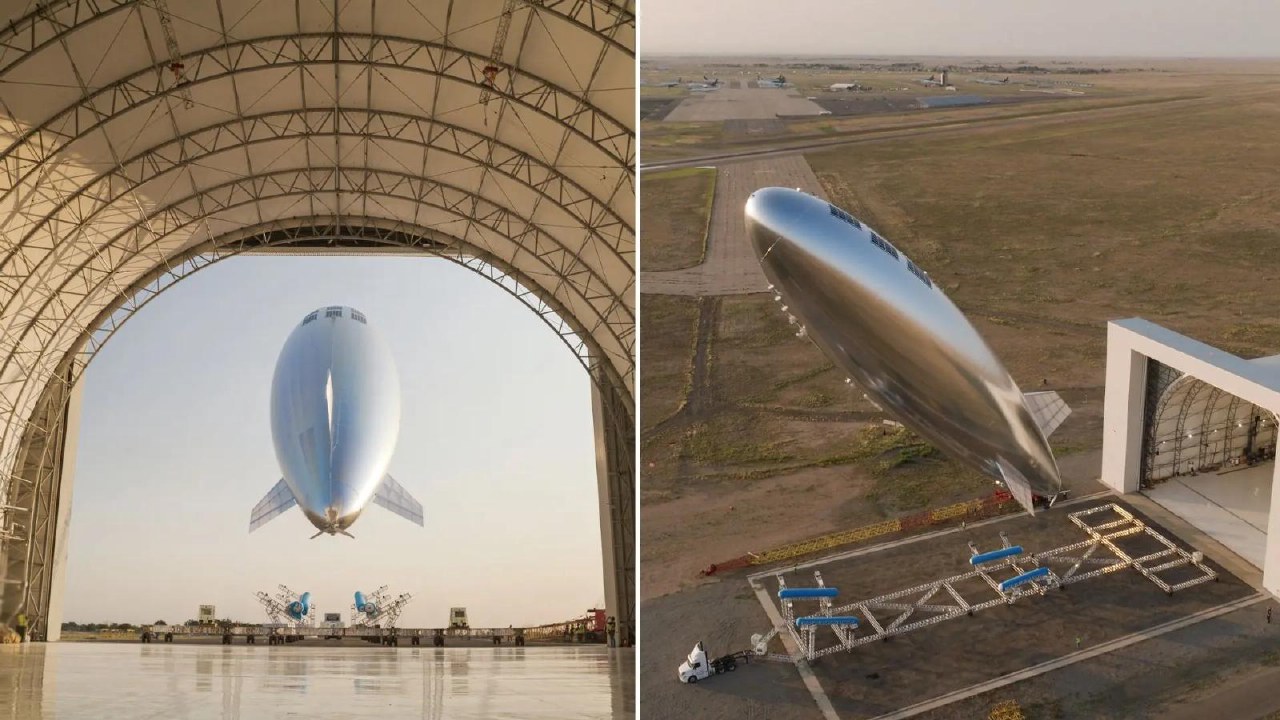
The American company Sceye has completed the Service Test 1 mission for its HAPS stratospheric platform. The vehicle traveled nearly 30,000 kilometers, flying from New Mexico to Japan and back. The mission began on August 9, 2026, and concluded with a planned landing in New Mexico on September 5, 2026.
During the flight, the platform tested the SceyeCELL system, which functions as a base station for mobile communications. It provided broadband connectivity to unmodified smartphones in collaboration with the operator SoftBank. According to Sceye, one such platform could eventually cover an area that currently requires approximately 500 ground-based cell towers.
The HAPS platform also operated as an aerial data center, hosting a server and mobile core network components. This allowed data processing to occur directly in the stratosphere. The average latency recorded was 68 milliseconds, which represents a reduction in response time of more than 40 percent compared to traditional cloud-based processing.
Engineers also evaluated emergency call capabilities, mass notification systems, and communication links with drones. Sceye positions its HAPS technology as a middle ground between terrestrial cell towers and satellite constellations, aiming to integrate these platforms into future three-dimensional telecommunications infrastructure.