

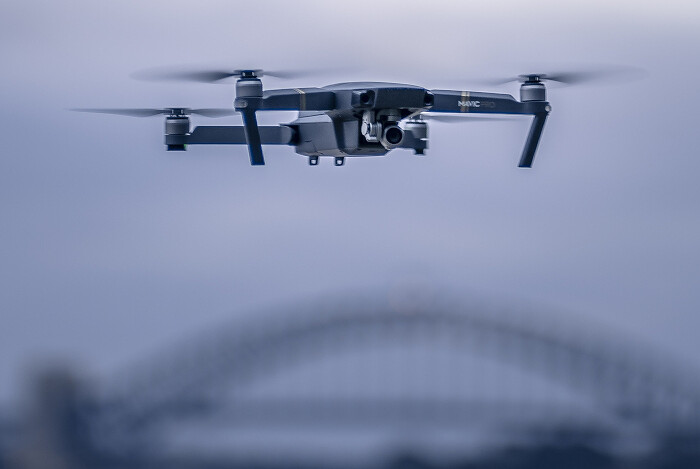
The Pauk system, developed by residents of the Ushkuynik research center, is preparing for mass production. It consists of a network of low-cost acoustic sensors designed to detect, classify, and track unmanned aerial vehicles by their sound signatures.
The sensors can be deployed manually or dropped from drones, with some models featuring spikes to attach to tree branches. The system identifies the type of drone, its speed, and direction, transmitting data to a command center. Detection range is 200 meters for FPV drones and over 1 kilometer for larger gasoline-powered UAVs.
The devices operate on batteries for nearly a month, with solar panels extending their lifespan indefinitely. The network can cover industrial sites or span thousands of kilometers. Because the sensors are inexpensive and easily replaceable, the system remains operational even if individual units are lost.
While weather conditions like heavy rain or strong winds can reduce detection range, experts suggest that increasing sensor density can mitigate these effects. The system is designed to be integrated with radar and optical-electronic equipment for comprehensive airspace monitoring.


