The construction industry is increasingly adopting robotic solutions to mitigate labor shortages, which cost builders $11 billion annually and extend project timelines by two months. Productivity in residential construction has grown by only 16% since 1993, significantly lagging behind the 50% growth seen in the broader economy.
Startups are attracting significant capital to address these inefficiencies. Reframe Systems recently secured $40 million to expand its network of robotic microfactories. Its new facility in Billerica, Massachusetts, is set to produce up to 250 single-family homes annually, focusing on off-site wall assembly to streamline the building process.
On-site technologies are also gaining traction. Dusty Robotics utilizes its FieldPrinter to map digital plans directly onto slabs, allowing a single operator to cover 10,000 to 15,000 square feet daily. Meanwhile, companies like Oh Snap Layout are combining precut lumber with prefab panels to reduce shell construction time from 21 days to approximately 11 or 12 days.
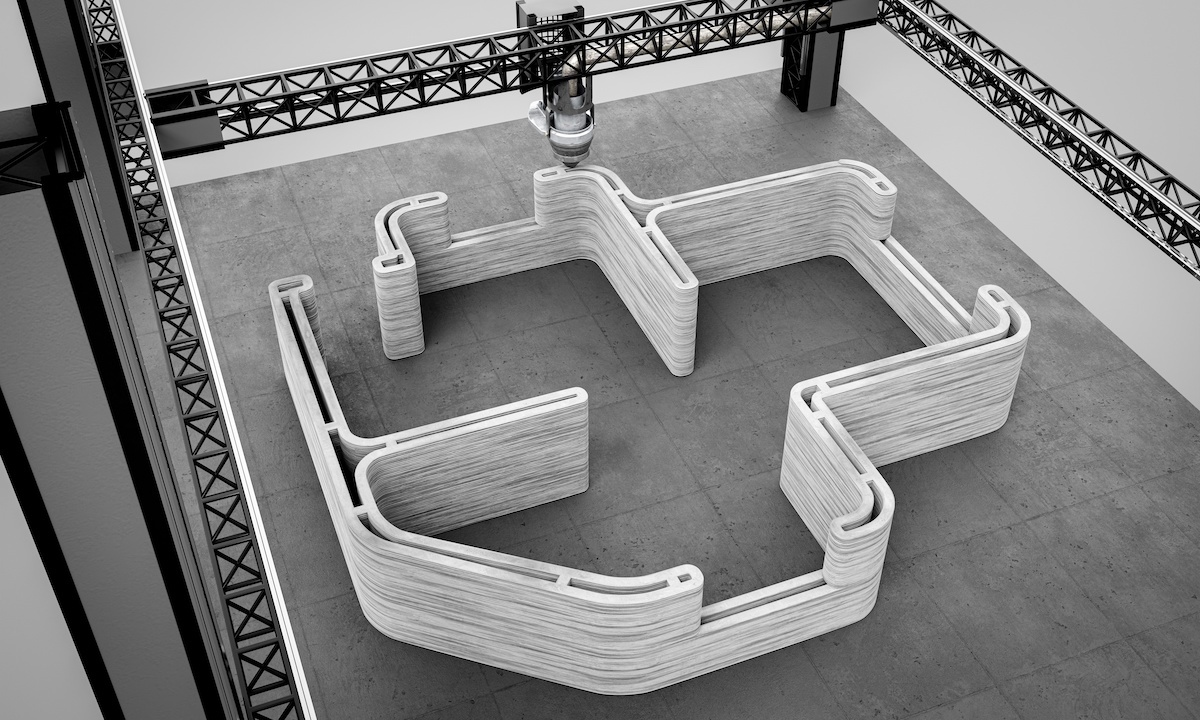
Despite these advancements, challenges remain regarding overall cost savings. Robotic printing primarily addresses wall construction, which accounts for a small fraction of total expenses. Foundations, roofing, and finishes represent nearly 80% of construction costs, requiring further innovation to ensure robots can reliably handle diverse site conditions and materials.