Ripple is actively diversifying its business model beyond cross-border payments and XRP. The company has expanded into prime brokerage, corporate treasury management, tokenization, and stablecoin services. In early 2026, Ripple acquired the treasury software provider GTreasury for $1 billion to enhance its Ripple Treasury platform, which now features AI-driven automation.
The firm is building institutional infrastructure on the XRP Ledger, recently investing in fintech companies ZILO and Licuido to support tokenized funds. Additionally, Ripple Prime raised $275 million through senior unsecured notes to fund its expansion into multi-asset clearing and institutional financing. The company also secured a full crypto-service provider license in Luxembourg, enabling operations across the EU.
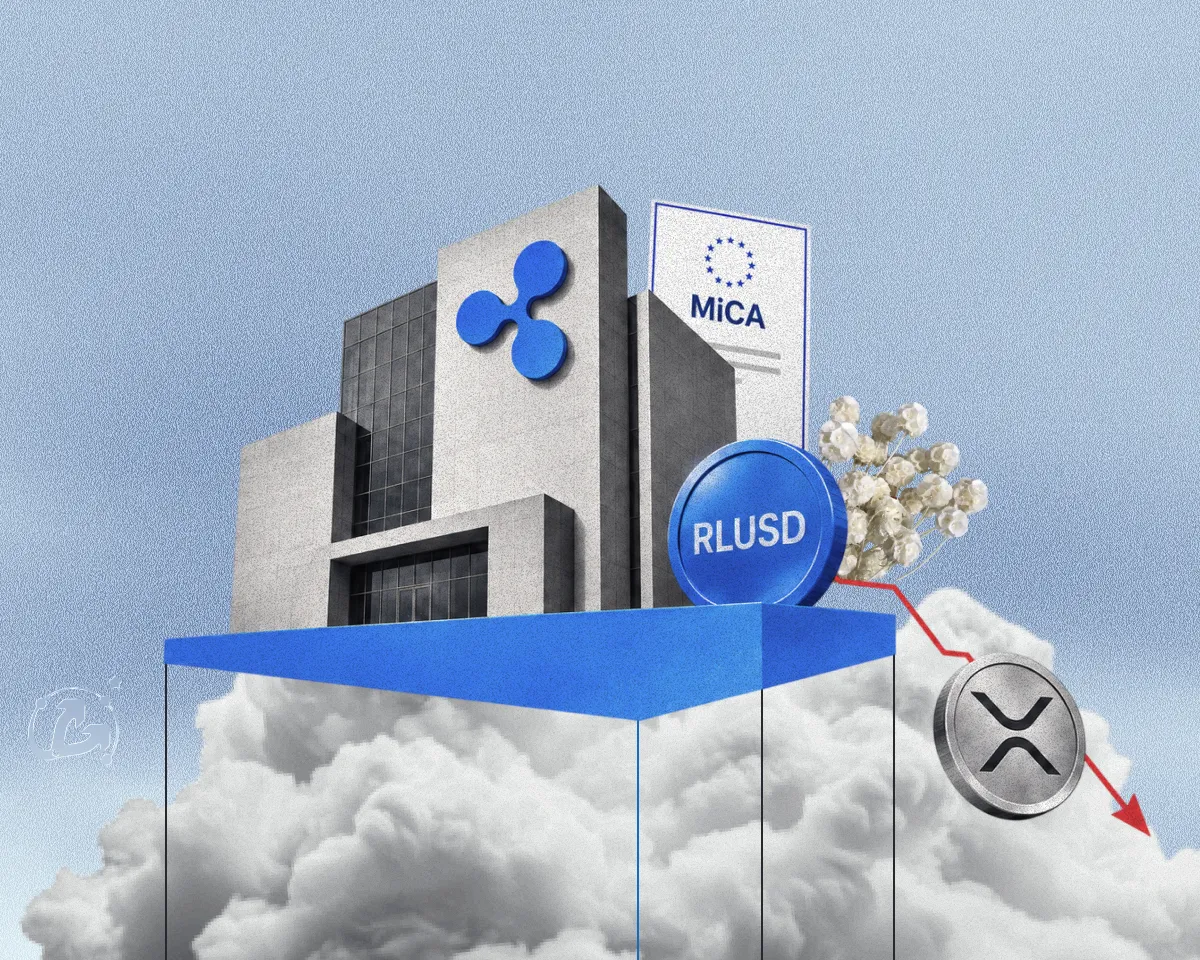
Despite these developments, XRP has faced downward pressure, losing approximately 27% of its value since the start of 2026. Analysts note that Ripple’s new products, such as its treasury and brokerage services, do not always require the use of the XRP token. Meanwhile, the company’s stablecoin RLUSD has reached a market capitalization of approximately $2.4 billion.
Ripple is also involved in the potential public listing of the treasury company Evernorth, which is set to merge with a SPAC, Armada Acquisition Corp. II. If approved, the entity plans to trade on Nasdaq under the ticker XRPN. Furthermore, Ripple continues to integrate its payment solutions with global financial institutions, including recent partnerships with Convera, Bitso, and Jeonbuk Bank.