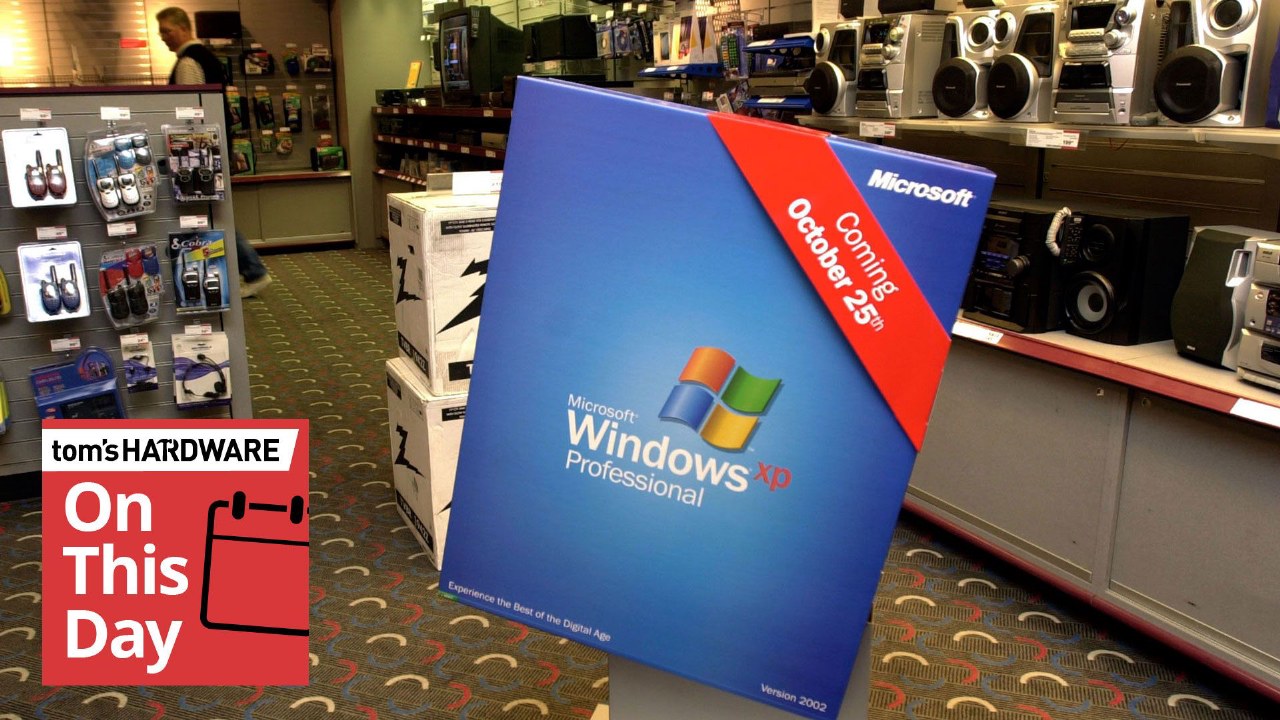
Microsoft launched Windows XP in 2001 with a marketing budget of $500 million. The company initially planned the slogan 'Prepare to Fly' but changed it to 'Yes You Can' following the events of September 11. The New York City launch event featured Bill Gates and Mayor Rudy Giuliani, alongside a concert in Bryant Park.
Windows XP marked the transition from the MS-DOS architecture to the Windows NT core for consumer PCs. This shift aimed to improve reliability, performance, and security. Microsoft claimed the new user interface reduced the time required to complete tasks by 25 percent. The system introduced native USB plug-and-play support, built-in CD burning, and ClearType technology.
The operating system received support from October 2001 until April 2014, during which Microsoft released three major Service Pack updates. Throughout its lifecycle, Windows XP saw the introduction of DirectX versions 8.1 through 9.0c. The extended support period allowed many users to bypass Windows Vista and transition directly to Windows 7 in 2009.
The total lifespan of Windows XP exceeded that of Windows 10 by more than two years. At the time of its release, the software was available through major retail chains including CompUSA, Circuit City, and Best Buy, which held midnight openings to accommodate consumer demand.