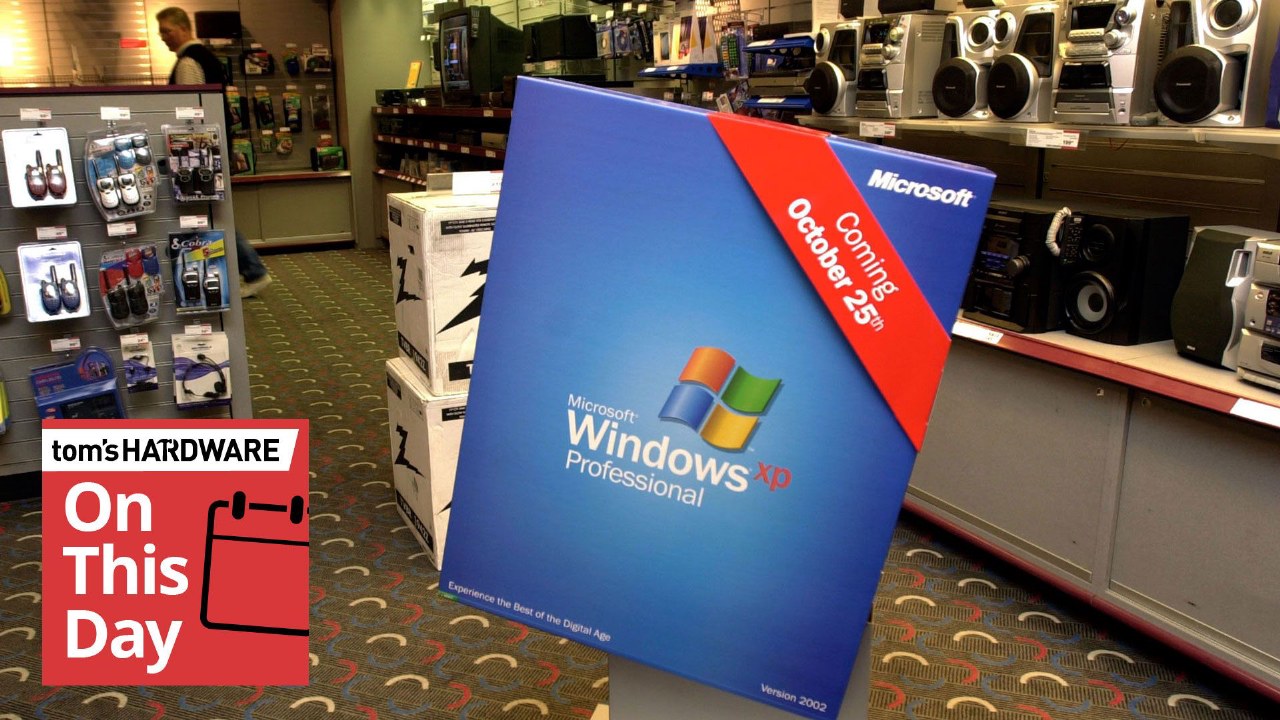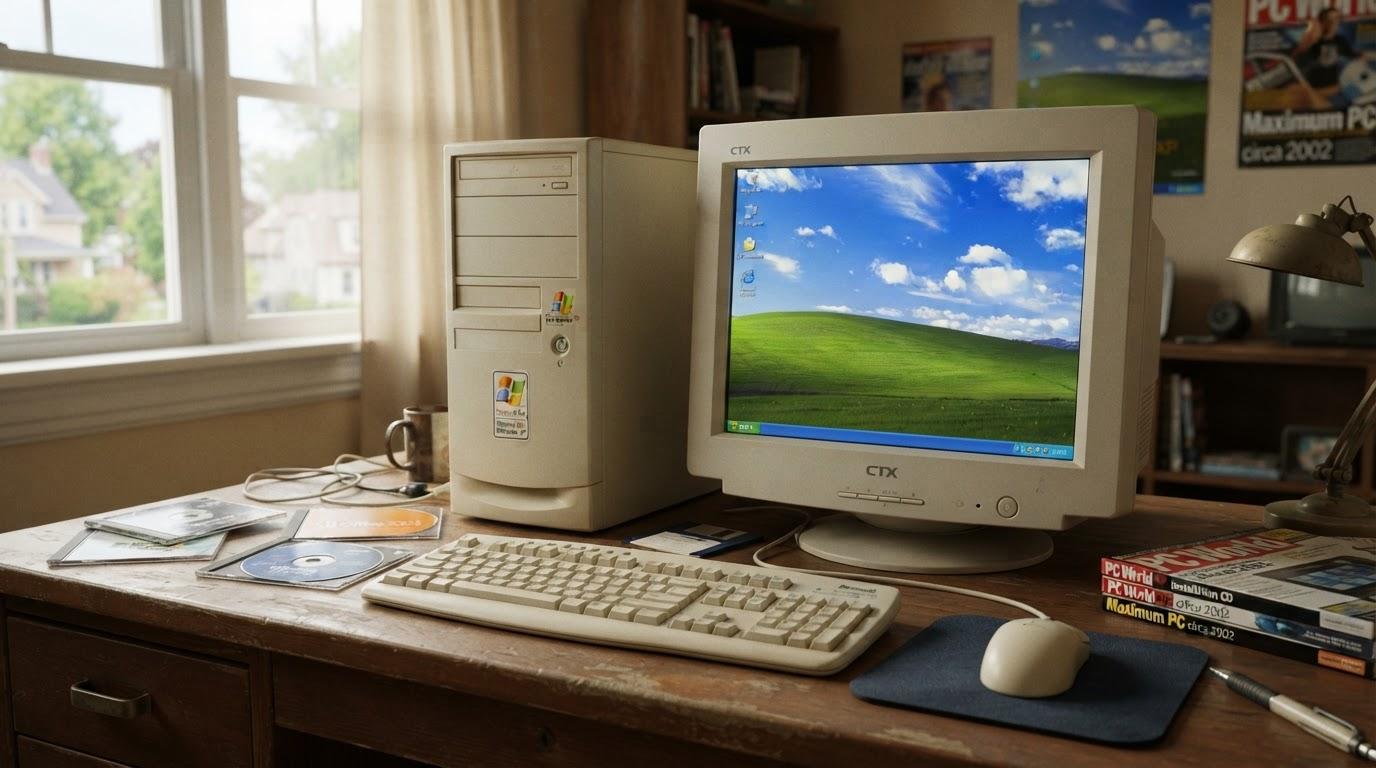
Released on October 25, 2001, Windows XP marked a significant shift for Microsoft by moving consumer versions away from the MS-DOS architecture. The transition to the Windows NT kernel provided users with improved system stability, security, and performance compared to previous iterations.
Microsoft invested approximately $500 million into the marketing campaign for the operating system, which was launched at a major event in New York featuring Bill Gates and Rudy Giuliani. The company claimed the new interface simplified daily tasks by 25 percent.
The platform introduced several technical advancements, including enhanced Plug and Play support for USB devices, native CD burning capabilities, and ClearType technology for LCD displays. DirectX support also established the OS as a key environment for gaming.
Official support for Windows XP spanned nearly 13 years, ending in April 2014. During this period, Microsoft released three major Service Pack updates. The extended lifecycle allowed many users to bypass Windows Vista and transition directly to Windows 7 in 2009.