

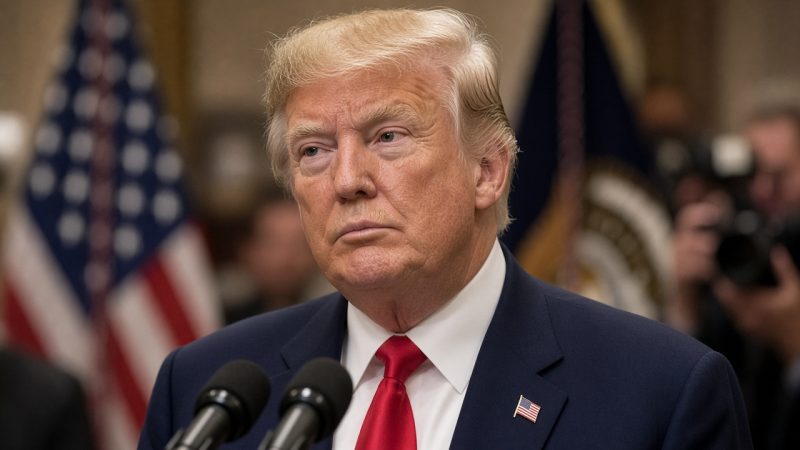
President Trump has adopted a less aggressive tone ahead of the September 24 summit with Chinese President Xi Jinping. The meeting agenda includes discussions on trade truce extensions, tariffs, and access to critical minerals, with the US administration avoiding new trade restrictions or threats.
China currently dominates the global supply chain for rare earth elements. According to AlixPartners, Beijing controls approximately 70% of global mining capacity, 85% of refining capacity, and 90% of the market for finished metal alloys and magnets used in defense, automotive, and tech sectors.
The diplomatic shift follows concerns over the expiration of a one-year suspension of Chinese rare earth export controls, which is set to end around November 2026. A return to strict controls could disrupt US manufacturing, as the country currently lacks the domestic infrastructure to replace Chinese supply.
While the US is investing in domestic mining and processing facilities and exploring alternative sources in Australia, Canada, and Africa, achieving supply chain independence is expected to take until the next decade. Both nations remain economically entangled, with China seeking continued access to US technology and agricultural markets.

