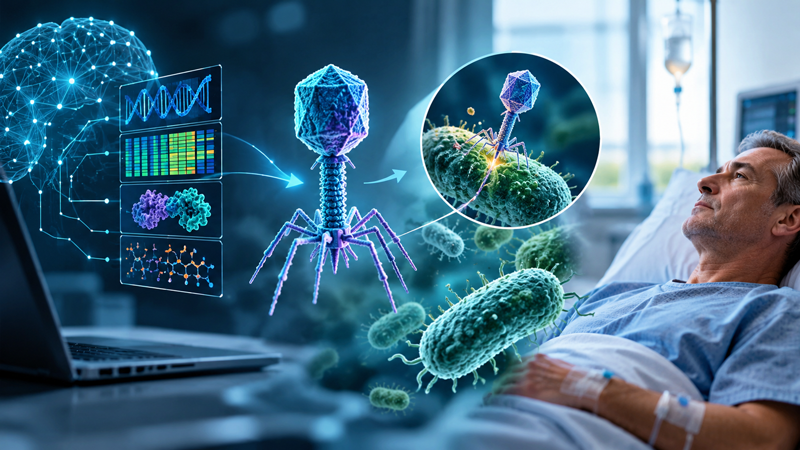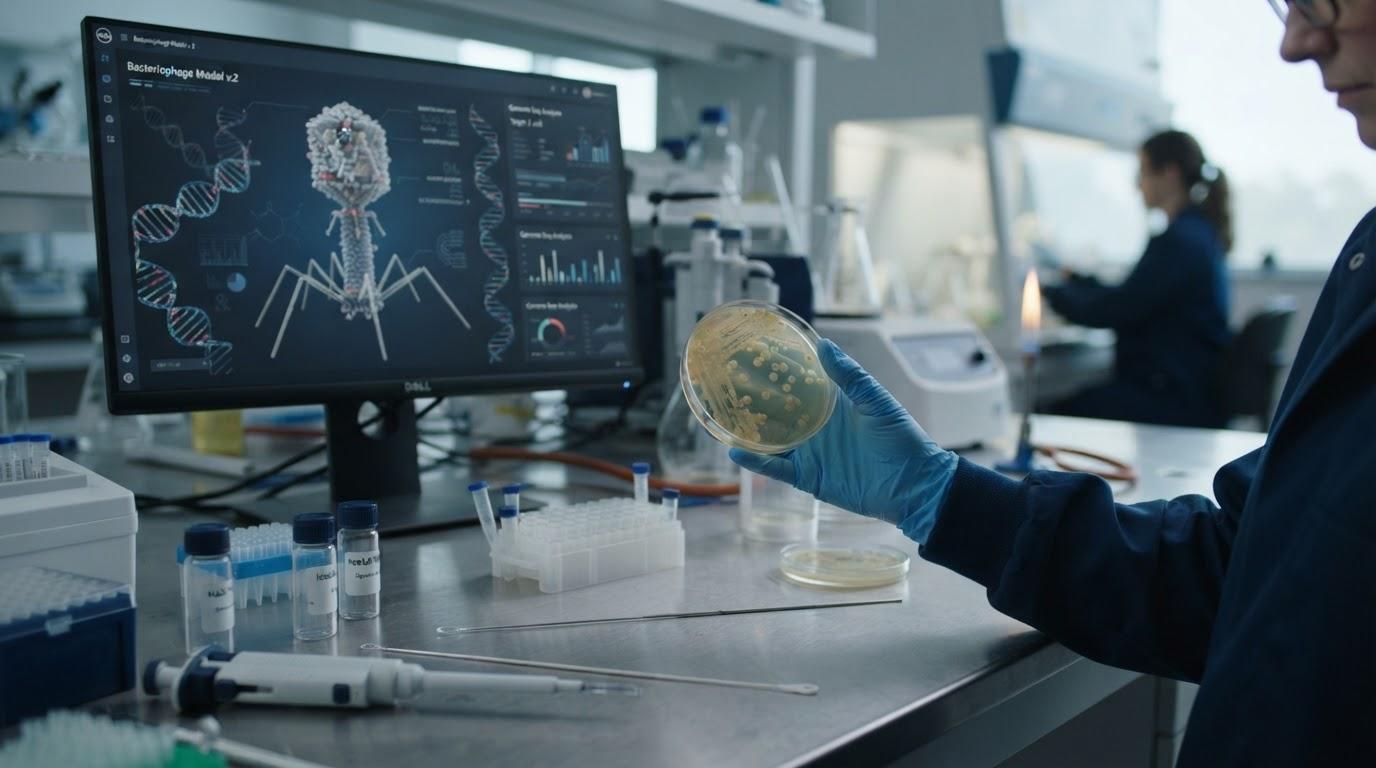
Radical Numerics, a San Francisco-based company, has conducted the first human trial of bacteriophages designed by artificial intelligence. The experimental therapy aims to combat antibiotic-resistant bacteria. The company has not disclosed the patient's outcome, citing confidentiality.
The process utilized the Omnii-1 neural network, which was introduced this week. This AI is designed to engineer bacteriophages that selectively target specific bacterial strains without affecting the broader microbiome. In laboratory tests, the AI-generated viruses successfully eliminated the target strain.
The treatment was administered to a patient under life-saving protocols. While the company acknowledges that a single case is insufficient to confirm the technology's overall safety or efficacy, it views this as a transition from laboratory modeling to clinical practice.
Although the research mentions Pseudomonas aeruginosa, a bacterium known for causing severe infections and developing antibiotic resistance, it remains unconfirmed if this specific pathogen was the cause of the patient's illness.
Previous research by Stanford University and the Arc Institute involved using AI to create bacteriophages targeting E. coli. Those studies demonstrated that AI-designed viruses could outperform natural phages, though those experiments were limited to laboratory settings.