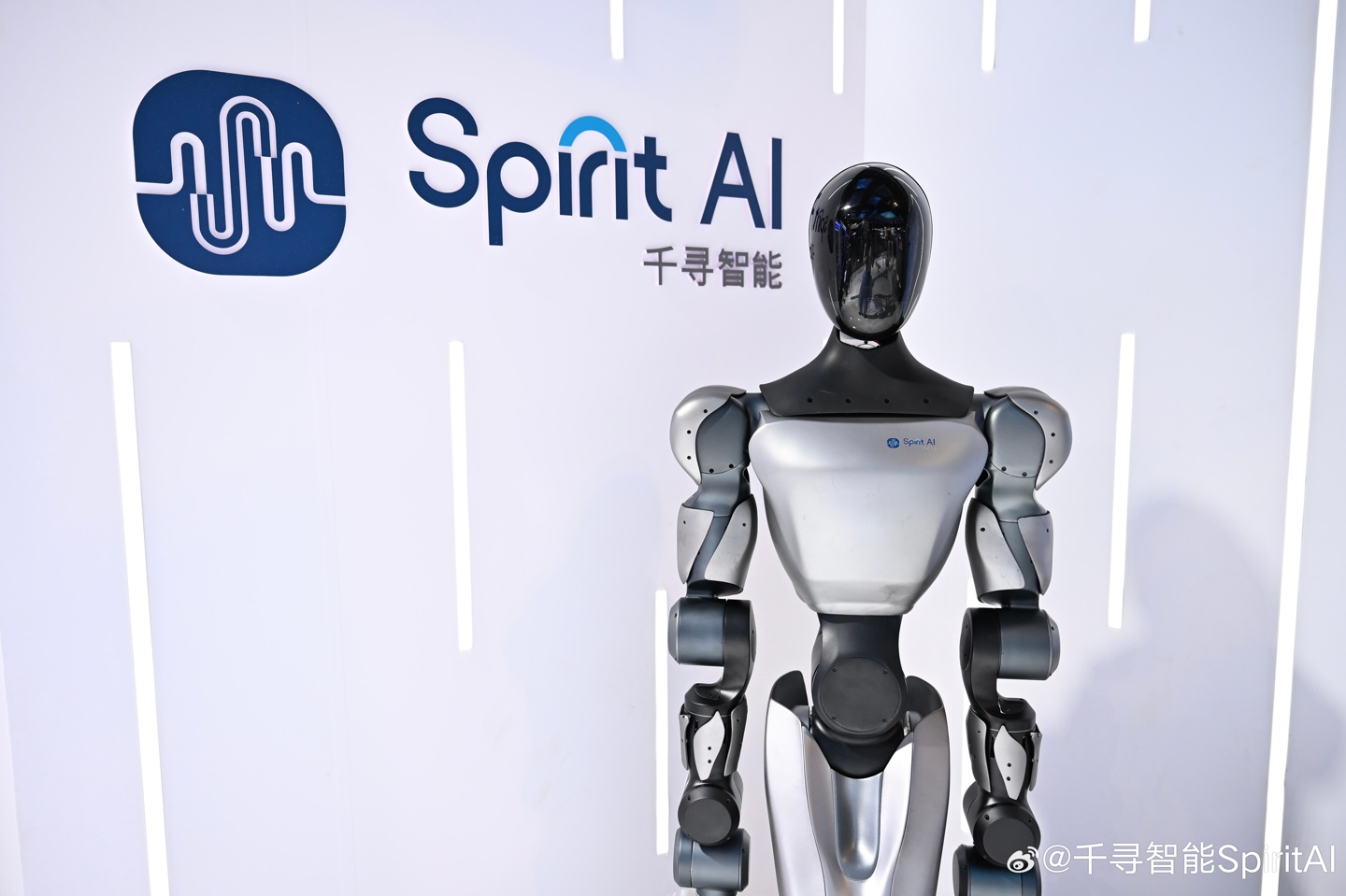
Gao Yang, co-founder of Qianxun Intelligence and assistant professor at Tsinghua University, predicts that humanoid robots will be able to understand verbal commands and perform general tasks as early as next year. However, he notes that widespread domestic use remains a long-term goal.
The industry is currently shifting its focus from hardware capabilities, such as running or jumping, toward software development and embodied intelligence. The primary objective is to enhance the robots' cognitive abilities to handle tasks with actual economic value.
Qianxun Intelligence is actively collecting real-world data by employing approximately 1,000 contract workers. Currently, the company's robots achieve a 90% success rate in performing simple tasks within structured living room environments.
The company aims to reach a GPT-3.0 level milestone by mid-2027, enabling robots to interact via natural language and execute complex physical actions. While industrial applications are expected to emerge within the next two years, tasks requiring fine motor skills remain a challenge.