

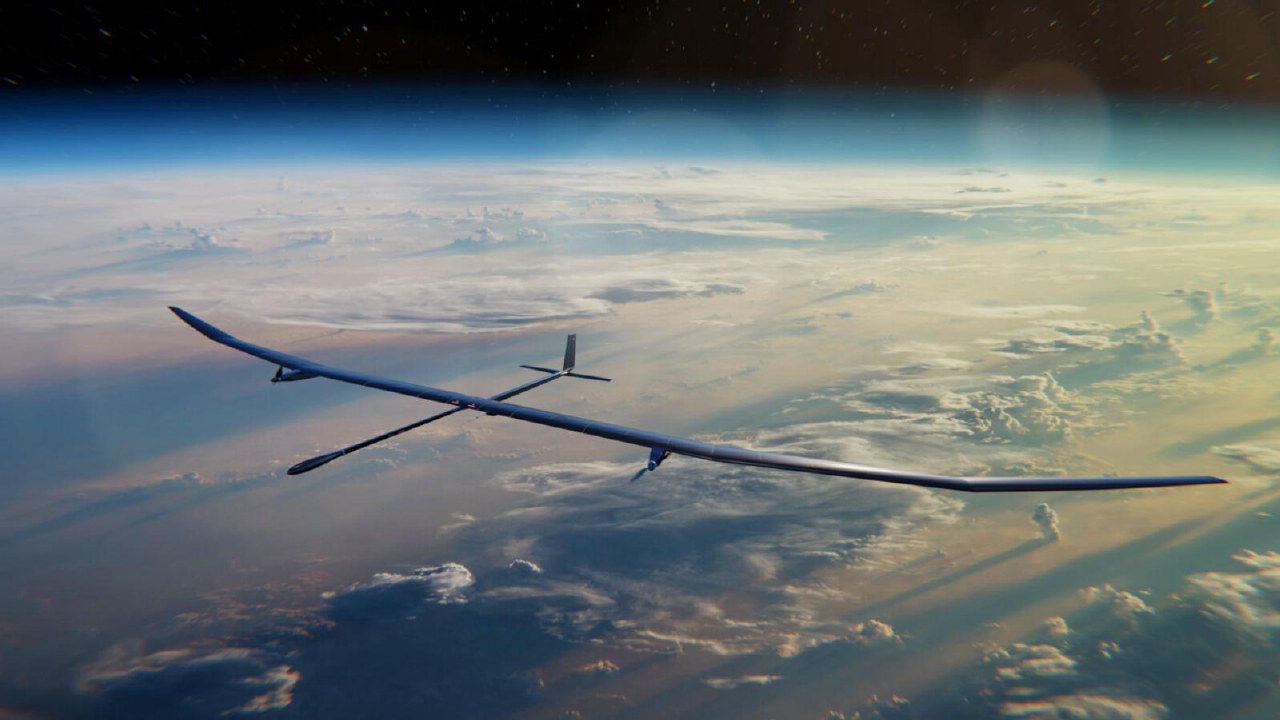
Prismatic, a subsidiary of BAE Systems, has secured a £15.7 million contract from the UK's Advanced Research and Invention Agency (ARIA). The project focuses on integrating wireless power transmission into the PHASA-35, a high-altitude pseudo-satellite (HAPS). This technology aims to enable the drone to remain in the stratosphere indefinitely, overcoming the limitations of solar power during short winter days.
The PHASA-35 drone features a 35-meter wingspan and weighs approximately 150 kg. Currently, it relies solely on solar panels and batteries. To extend flight duration, the project involves Space Solar and MuWave Limited, which are developing a rectenna system to convert radio frequency energy beamed from the ground into electricity. Space Solar has received separate funding for this receiver technology.
ARIA's objective is to achieve a continuous power delivery of 300 W to a 20 kg payload for at least one week. The project also aims to keep operational costs below £500 per hour. By reducing the reliance on heavy onboard batteries, the developers expect to increase the capacity for heavier sensors, cameras, or communication equipment, offering a flexible alternative to traditional orbital satellites.



