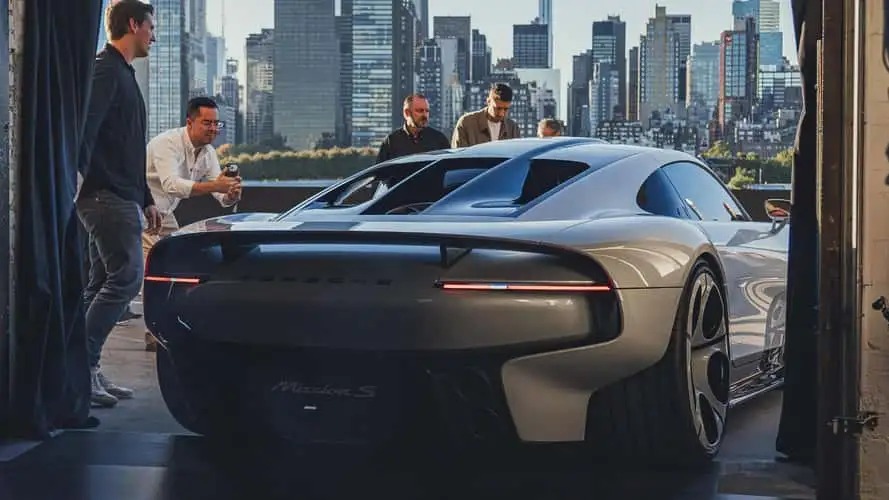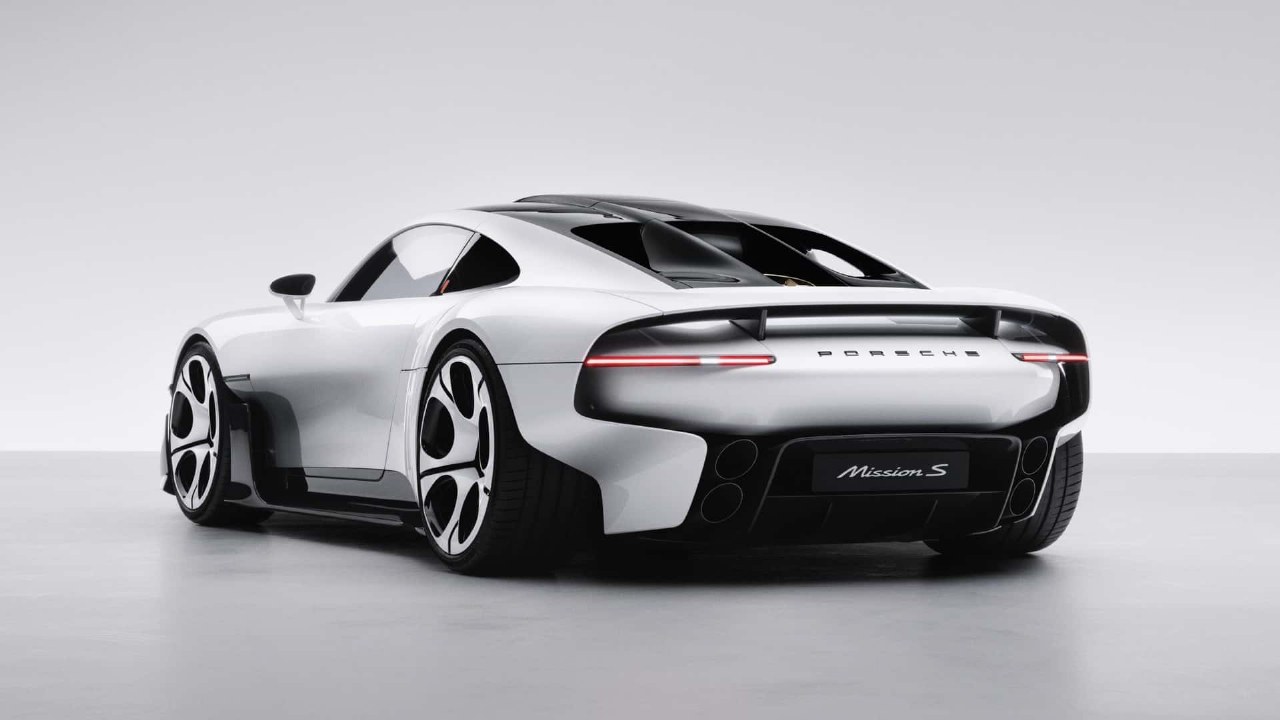
Porsche has officially confirmed that its upcoming flagship supercar, positioned above the 911, will not feature a fully electric powertrain. CEO Michael Leiters stated that the decision stems from a lack of customer demand for battery-electric vehicles within this specific market segment.
The new platform, currently associated with the Mission S project, is designed for flexibility. It will support internal combustion engines, conventional hybrids, and plug-in hybrid systems. Porsche aims to preserve the character of a combustion engine for its top-tier performance models.
The automotive industry is seeing similar trends among luxury manufacturers. Lamborghini has shifted its Lanzador project toward a hybrid configuration, while Pagani abandoned its electric Utopia model due to a lack of interest from dealers and customers.
Market data further highlights these challenges, as Rimac sold only 71 units of its Nevera hypercar, falling significantly short of the initial production target of 150 vehicles. These results indicate that high-end buyers currently prioritize traditional engine performance over electric alternatives.