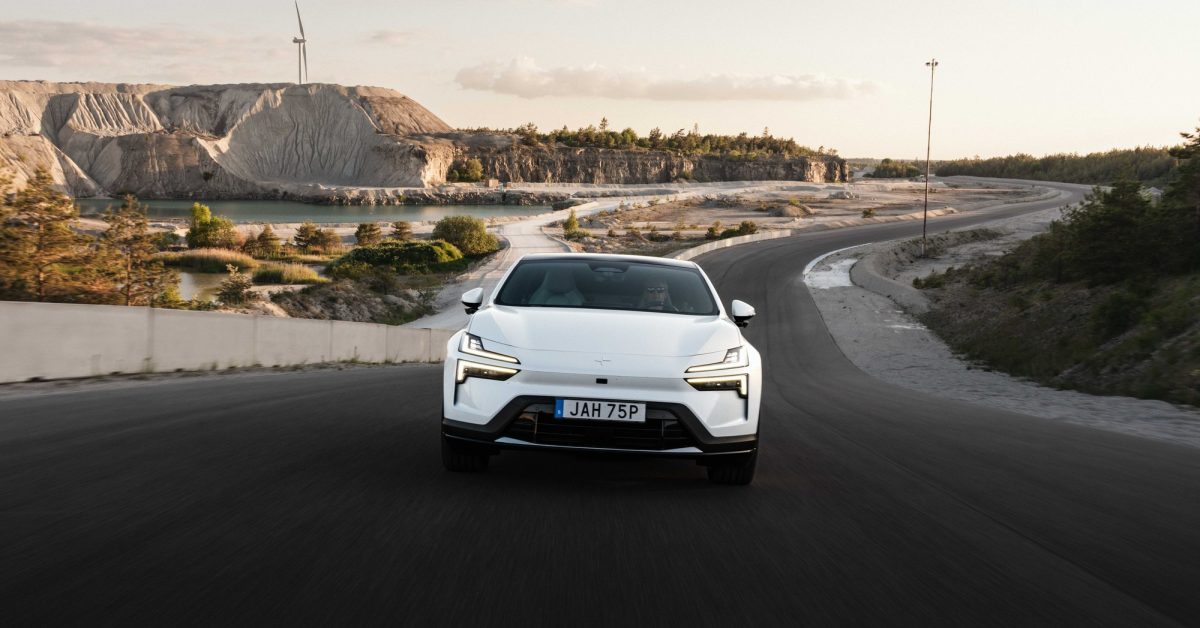
Polestar and the University of Oxford’s SDG Impact Lab conducted a pilot study involving 12 drivers to analyze the subjective experience of vehicle performance. The tests took place at the Gotland Ring track in Sweden using two versions of the Polestar 4.
Researchers utilized eye trackers, heart-rate monitors, and electrode caps to collect physiological data, which was then correlated with vehicle telemetry and psychological assessments. The study aimed to quantify how performance feels to a driver beyond standard technical specifications.
The 544 hp dual-motor Polestar 4 with a Performance pack demonstrated 32% higher peak acceleration and required 15% less steering effort compared to the 268 hp rear-motor version during matched laps. The performance model also recorded higher cornering loads.
Drivers rated the performance version higher on a dynamics scale, scoring 89.2 out of 100, compared to 67.7 for the rear-motor variant. Overall experiential quality scores were 93.0 and 77.9, respectively.
The researchers characterized the project as a feasibility pilot, noting that a larger study is required to validate the findings. The data suggests that drivers associate performance with a combination of confidence, control, and predictable vehicle responses.