

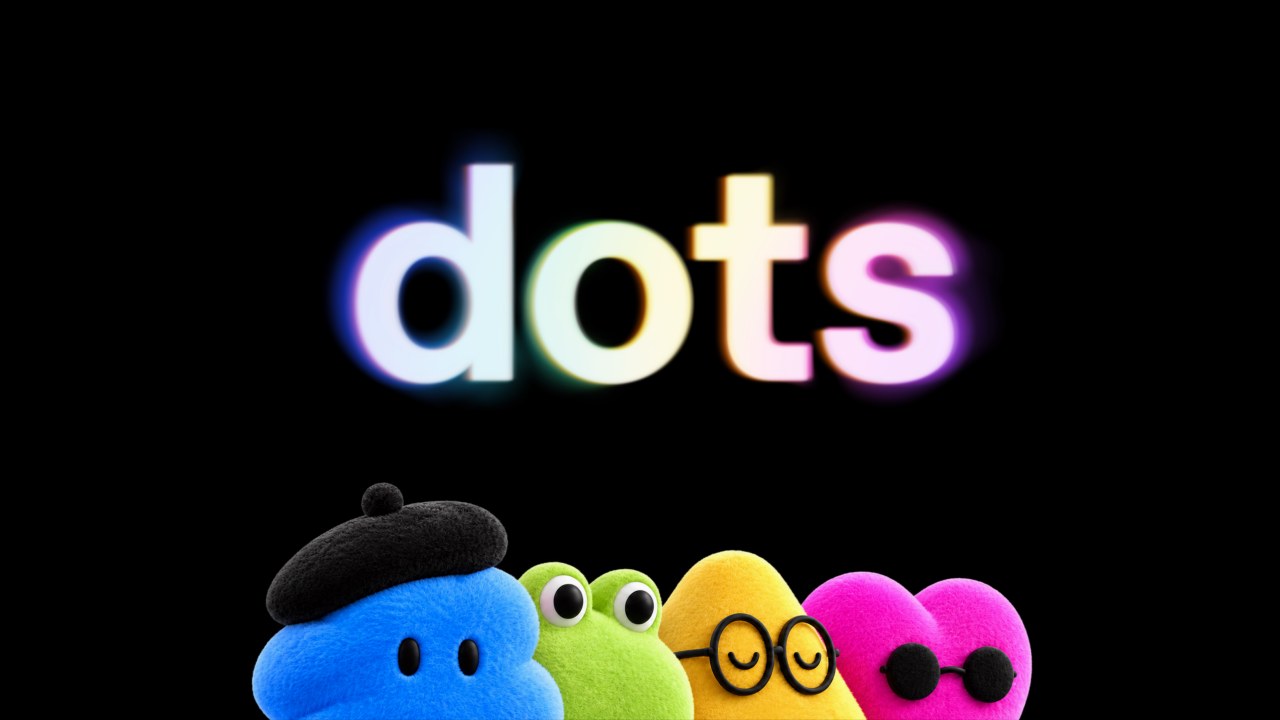
OpenAI introduced Dots, a new line of autonomous agents, at the DevDay 2026 conference. These agents operate on dedicated cloud computers equipped with browsers, allowing them to perform tasks like data analysis, document writing, and software development via Codex. Dots run on the GPT-6 Astra model and support integration with over 4,000 applications through plugins.
Unlike the Computer Use feature in ChatGPT Work, Dots function independently on their own virtual machines rather than controlling the user's local screen. They maintain context across platforms including Slack, Microsoft Teams, and ChatGPT. Users can interact with their assigned Dot via voice or text, and each agent features a unique name and avatar.
The company also released GPT-6.1 Sol, a more affordable model, while delaying the release of the high-end GPT-6.1 Astra due to safety concerns. OpenAI plans to offer specialized Dots for corporate roles such as invoice processing and customer support, with pilot programs currently underway and future integration planned for Microsoft's Agent 365 platform.
Dots include a proactive research mode that operates with read-only access to prevent unauthorized changes. For active tasks, users can set custom rules to require approval for specific actions. OpenAI states that it does not train its models on content from Business, Enterprise, or Edu workspaces by default, and sensitive operations like password changes remain under human control.


