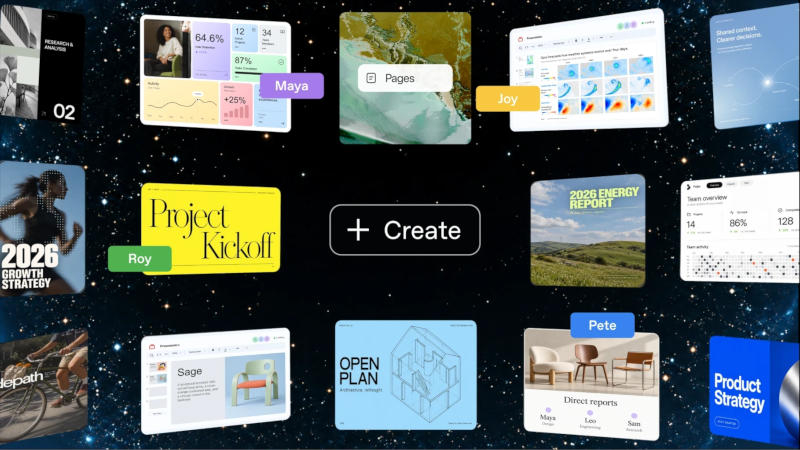
OpenAI is transforming ChatGPT into a platform for discovering and running software directly within the chat interface. The company introduced a feature allowing users to sync their ChatGPT profiles, settings, and AI usage limits with third-party services, effectively bypassing traditional app store models.
At launch, the ecosystem includes 16 initial partners, such as Notion, Vercel, and Cognition Devin. Developers can now create AI-native versions of their software, enabling users to perform tasks like meeting summarization or design edits in Figma and Adobe without leaving the chat environment.
The company has launched a new enterprise marketplace featuring partners like Salesforce, HubSpot, and CrowdStrike. A new review process for plugins has also been implemented, allowing developers to track submission status and update tools without restarting the entire approval procedure.
The new AI agents, dubbed Dots, operate with their own cloud computing resources and browsers. These agents can proactively suggest tools from an ecosystem of over 4,000 applications, execute tasks, and resolve errors based on user requests, while maintaining user control over the process.
While developers can now reach users directly through ChatGPT, OpenAI has not yet introduced a specific billing system or revenue-sharing model. Users can link existing subscriptions from third-party websites to their ChatGPT accounts to enable full functionality within the AI interface.