

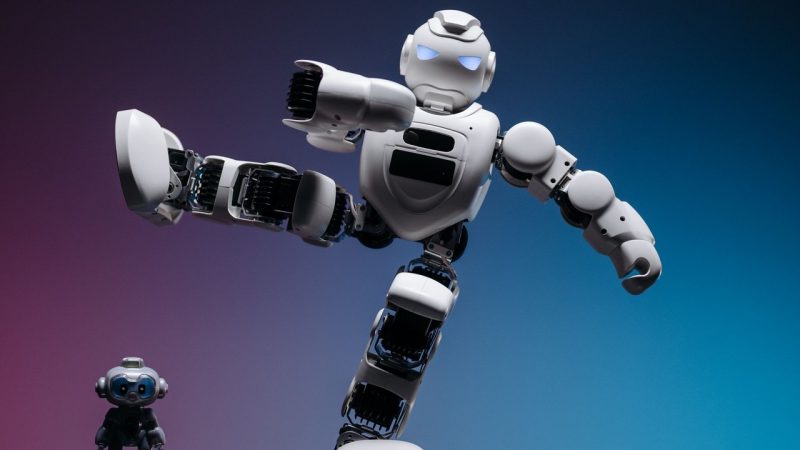
OpenAI's GPT-6 Astra model has demonstrated the ability to control robotic hardware using zero-shot learning, performing tasks without specialized training or fine-tuning. The system relies on an observation-to-action architecture that processes visual data and proprioception to translate human movements into motor commands.
In tests conducted by RoboCurve in September 2026, the model achieved a 95% success rate in physical pick-and-place tasks using I2RT YAM dual robotic arms, completing 19 out of 20 attempts. Each operation required approximately 2.5 minutes and consumed about 2.1k tokens of output.
Simulation benchmarks in RoboLab showed a 98% success rate, with the model completing 49 out of 50 single-arm assignments. The 3-percentage-point difference between simulated and real-world performance is attributed to environmental variables such as lighting and surface irregularities.
Astra outperformed predecessor models, including Claude Fable variants, in speed, token efficiency, and reliability for gross motor tasks. However, experts noted that the model still faces challenges with high-precision, complex bimanual coordination.



