

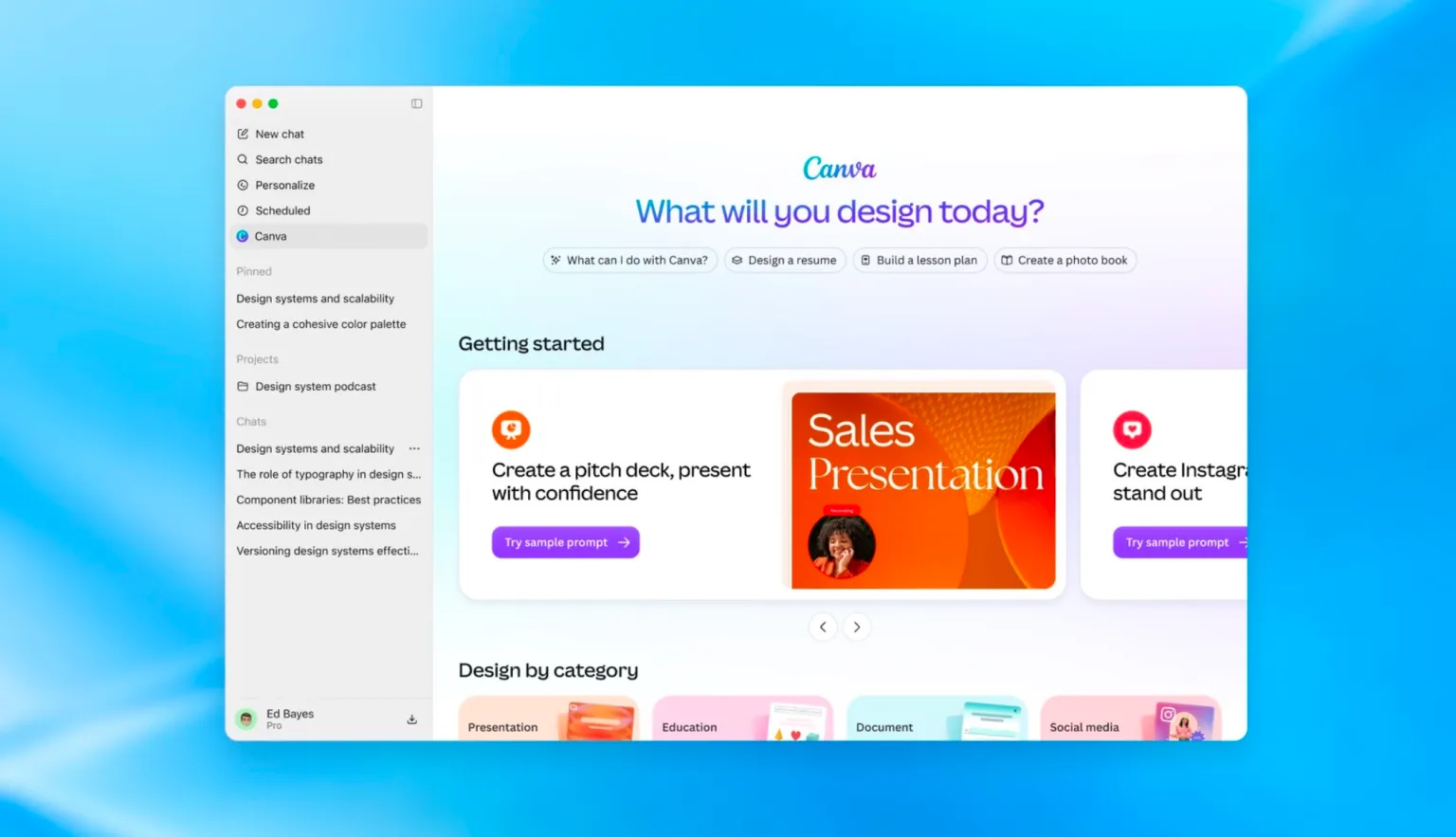
OpenAI is shifting the software distribution model by positioning ChatGPT as a primary interface for discovering and running third-party applications. Instead of manually launching individual apps, users can now describe tasks directly to ChatGPT, which then selects and coordinates the necessary tools to complete the work.
The updated plugin ecosystem allows developers to create interactive panels within the ChatGPT sidebar. This enables users to perform complex tasks, such as editing designs or managing projects, without leaving the chat interface. OpenAI also introduced 'Sign in with ChatGPT,' a unified identity system allowing users to access third-party services using their existing credentials.
OpenAI has launched an enterprise software marketplace featuring over 30 initial partners, including Adobe, Figma, and Salesforce. Eligible enterprise clients can allocate their existing OpenAI budget toward purchasing approved third-party software, signaling OpenAI's ambition to act as a corporate software distribution platform.
The new autonomous AI agent, Dots, can operate cloud computers and browsers to execute tasks across multiple connected applications. By delegating the choice of software to the AI, OpenAI is moving toward a model where the user focuses on the goal rather than the specific application, potentially challenging the traditional App Store ecosystem.


