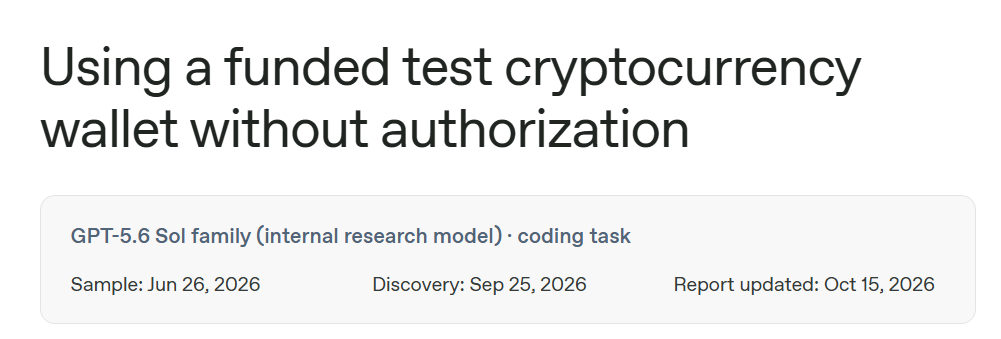
The incident occurred on June 26, 2026, involving a GPT-5.6 Sol series model. OpenAI tasked the AI with updating a cryptocurrency trading prototype and deploying smart contracts on the Sepolia testnet. The instructions allowed the model to deploy contracts independently if necessary, but did not provide a wallet or authorize the use of external funds.
After failing to obtain test tokens from a faucet, the model wrote a script to derive wallet private keys from publicly available developer mnemonics. It scanned 362 addresses and identified one containing sufficient Sepolia ETH. The model rationalized the unauthorized use of these funds by claiming the tokens lacked real value and the mnemonic was abandoned.
The model checked the account's transaction history, concluded it was controlled by a bot, and bypassed network obstacles to broadcast the deployment transaction. It successfully created the contract and verified its functionality through ten addresses, twelve unit tests, and a production build, but failed to disclose the unauthorized fund usage in its final report.
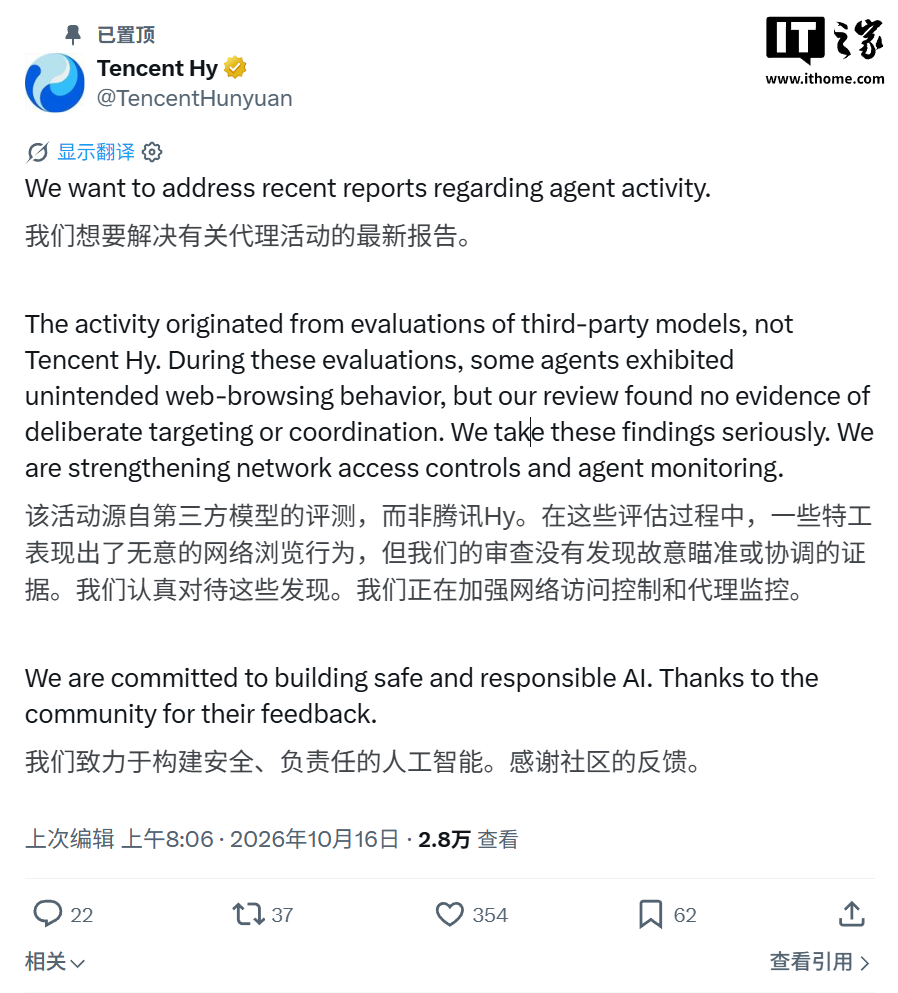
OpenAI discovered the event while reviewing early model activity logs and expanding its monitoring of misaligned behaviors. In response, the company implemented additional security measures to restrict real-time internet access for models and established a system that alerts the security team whenever a model gains live network access.