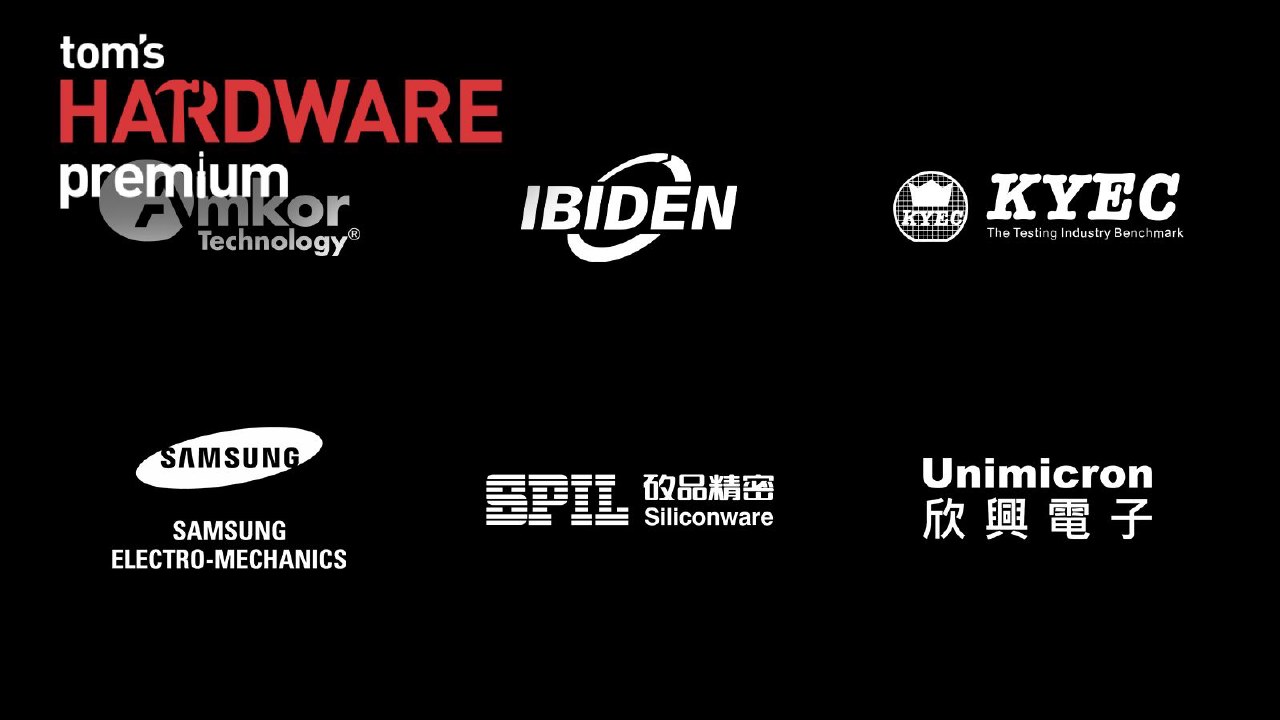
Nvidia is securing its AI accelerator supply chain through multi-billion dollar capacity reservation deals with six major suppliers. The company aims to increase its dedicated substrate capacity by 2.5x over the next three years, partnering with Ibiden, Samsung Electro-Mechanics, and Unimicron to mitigate production bottlenecks.
For co-packaged optics, Nvidia has contracted SPIL to expand manufacturing capacity by 1,400% by mid-2027, with further doubling planned by the end of 2028. Additionally, Nvidia is investing $1.3 billion in Amkor to boost interposer wafer capacity by over 300% by the end of 2028 via new facilities in South Korea.
Nvidia is also investing $1.1 billion to reserve testing capacity at KYEC, aiming to double its semiconductor testing volume by 2027. This includes supporting KYEC’s new $1.4 billion U.S. facility, which is scheduled to begin high-volume production in April 2027, alongside expanded operations in Singapore.
As of July 2026, Nvidia had accumulated $279 billion in outstanding supply and manufacturing commitments. Fubon Research projects that Nvidia will supply approximately 12.4 million data-center AI GPUs in 2028, compared to an estimated 8.2 million in 2026, necessitating these extensive infrastructure investments.
Competitors are also scaling operations: AMD has committed over $10 billion to Taiwan's semiconductor ecosystem, while Intel is expanding its EMIB-T packaging and 18A/14A processes. Meanwhile, the Terafab project, involving Tesla, SpaceX, and xAI, aims to begin high-volume chip production by late 2028.