Industry reports suggest that Nvidia and AMD may delay the launch of their next-generation gaming graphics cards until 2028. The shift is primarily driven by the surging demand for AI hardware, which consumes critical resources such as advanced chip manufacturing, packaging, and high-bandwidth memory (HBM).
Data center AI products offer significantly higher profit margins compared to consumer-grade gaming GPUs. Consequently, both companies are prioritizing resource allocation toward AI accelerators. This trend has led to a tightening of supply for GDDR memory and other components, further complicating the production timeline for gaming hardware.
While previous rumors pointed to a 2027 release for Nvidia's Rubin-based RTX 60 series and AMD's RDNA 5 lineup, recent insights from industry analyst Kepler_L2 indicate a broader delay. Only AMD’s GPU codenamed AT2 remains a potential candidate for a 2027 launch, though this remains unconfirmed.
Technical details for the upcoming architectures remain speculative. AMD's RDNA 5 is expected to feature improved dual-issue execution capabilities. Rumored specifications for the AT2 model include 40 compute units and 12GB of memory, while the flagship Navi 5X might reach 3.4GHz clock speeds with 32GB of GDDR7 memory.
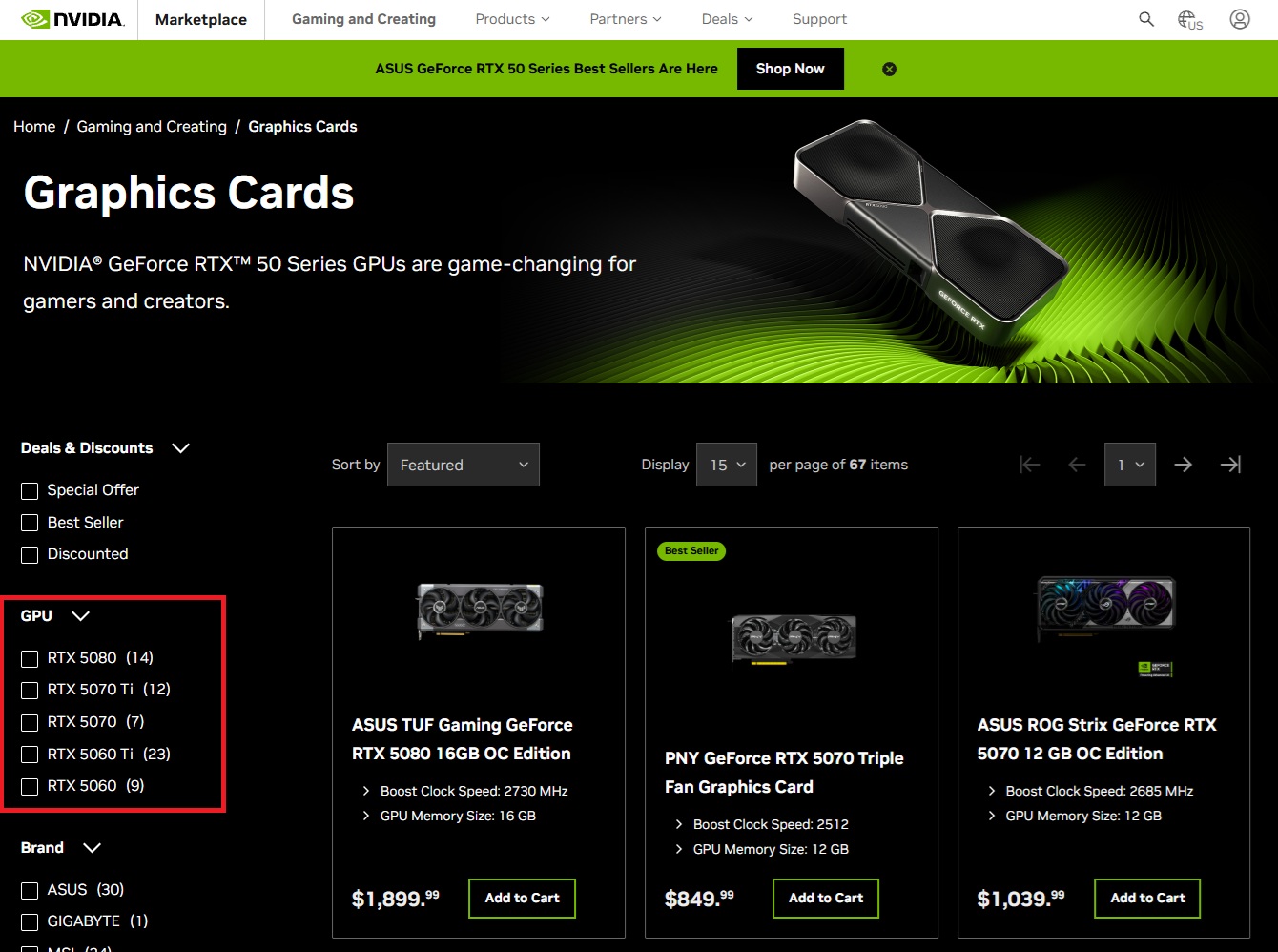
The potential delay would extend the market lifecycle of the current RTX 50 and Radeon RX 9000 series. As AI infrastructure continues to expand, the gaming GPU market faces increased uncertainty regarding future release schedules, with manufacturers balancing consumer demand against the high-value requirements of the AI sector.