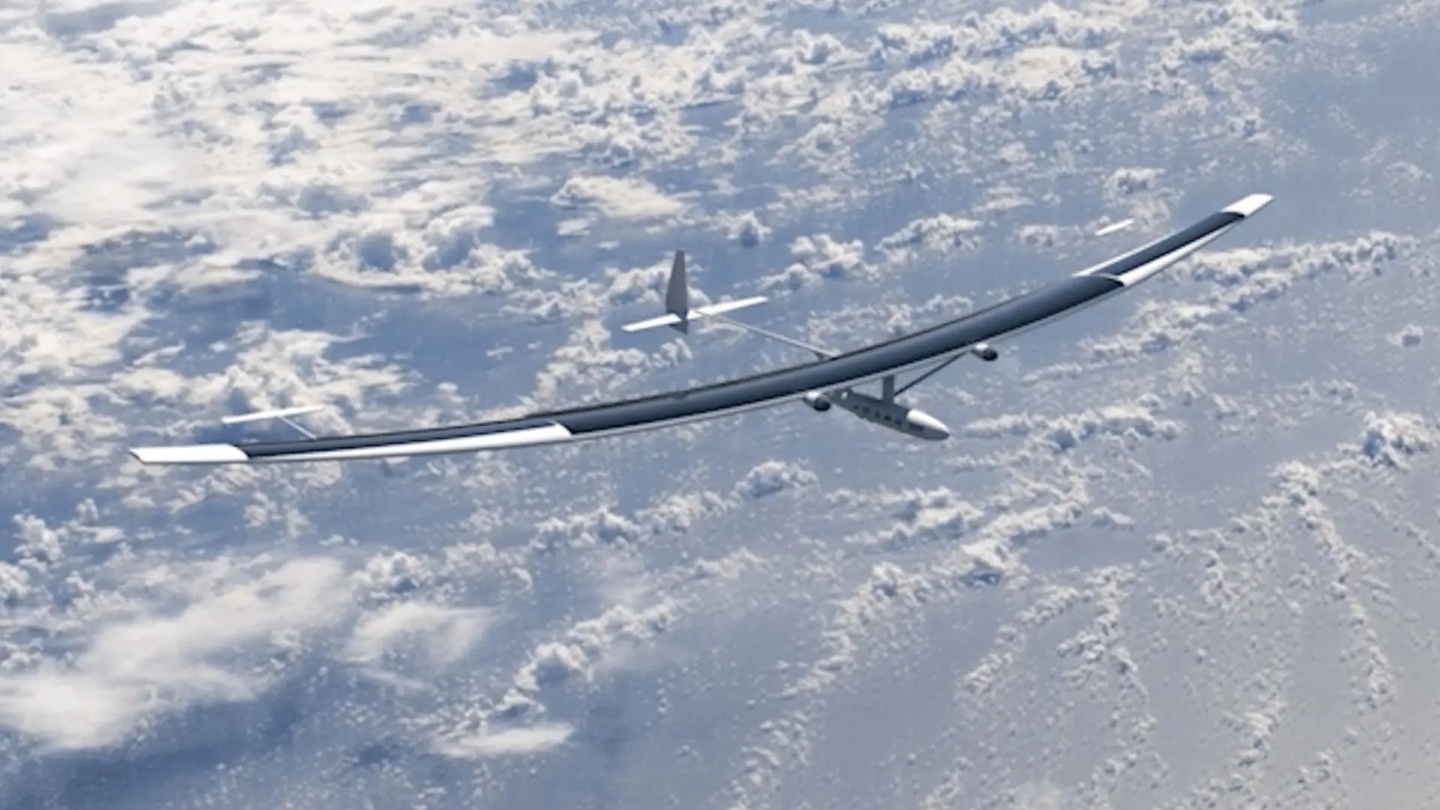
A new study led by researchers from Harvard University and the University of Michigan, published in ACS Energy Letters, identifies a critical battery energy density threshold for long-endurance solar aircraft. The research suggests that reaching 500 Wh/kg is necessary for unmanned aerial vehicles to maintain continuous flight in the stratosphere for weeks or months.
Solar aircraft operate at an altitude of approximately 18.3 kilometers, utilizing solar panels for daytime power and battery storage for nighttime flight. The study emphasizes that for these missions, energy density is significantly more critical than power density, as the primary requirement is carrying sufficient energy to survive the night without excessive weight gain.
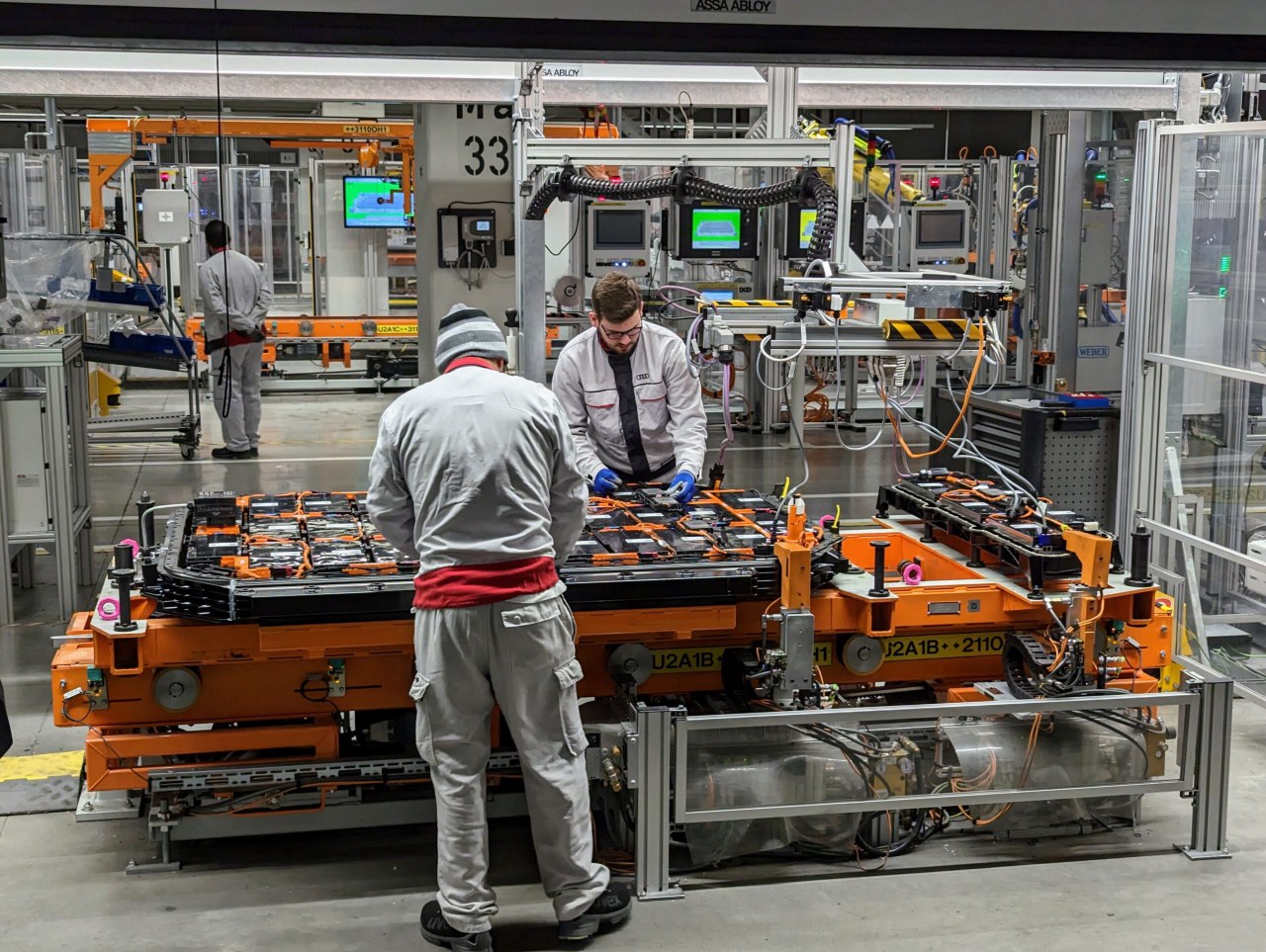
Current commercial electric vehicle batteries typically offer around 250 Wh/kg, while experimental specialized batteries have reached approximately 400 Wh/kg. Although high costs remain a barrier, researchers note that prices are declining rapidly. The study serves as a development roadmap rather than a finished product, with success also dependent on local atmospheric conditions.
The project aims to improve Earth observation capabilities, such as wildfire monitoring and hurricane tracking. Compared to NASA's ER-2 manned research aircraft, which are limited to 6-8 hour missions and cost tens of thousands of dollars per hour, solar-powered platforms could provide continuous, long-term monitoring at a reduced operational cost.