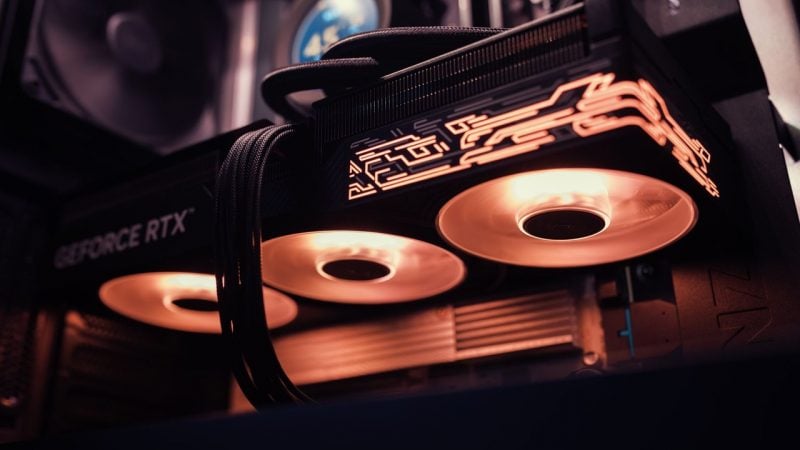
Specialized GPU cloud providers, known as neoclouds, are changing the data center industry's power dynamics by securing multi-billion dollar deals with hyperscalers. This shift is driven by the high demand for Nvidia GPUs, which these specialized firms possess in large quantities.
Microsoft has committed over $33 billion in capacity agreements with neocloud providers. The most significant deal is a $19.4 billion agreement with Nebius, providing Microsoft access to more than 100,000 Nvidia GB300 chips.
Companies like CoreWeave, Nebius, Lambda, and Crusoe focus exclusively on GPU infrastructure for AI workloads. CoreWeave reported Q2 2026 revenue of $2.575 billion, a 112% increase year-over-year.
Neocloud GPU instances are typically 60-70% cheaper than equivalent offerings from AWS, Azure, and Google Cloud. This pricing advantage stems from lean operations and infrastructure designed specifically for AI workloads without the overhead of general-purpose compute services.
Nvidia supports this ecosystem by providing priority hardware access, making equity investments, and offering revenue backstops for unsold capacity. This allows neoclouds to raise debt more easily by using customer contracts and Nvidia's guarantees as collateral.
The sector faces risks including customer concentration, particularly with Microsoft and OpenAI, and rapid GPU depreciation. Additionally, neoclouds must compete with hyperscalers for electricity and cooling capacity to deploy tens of thousands of GPUs.