

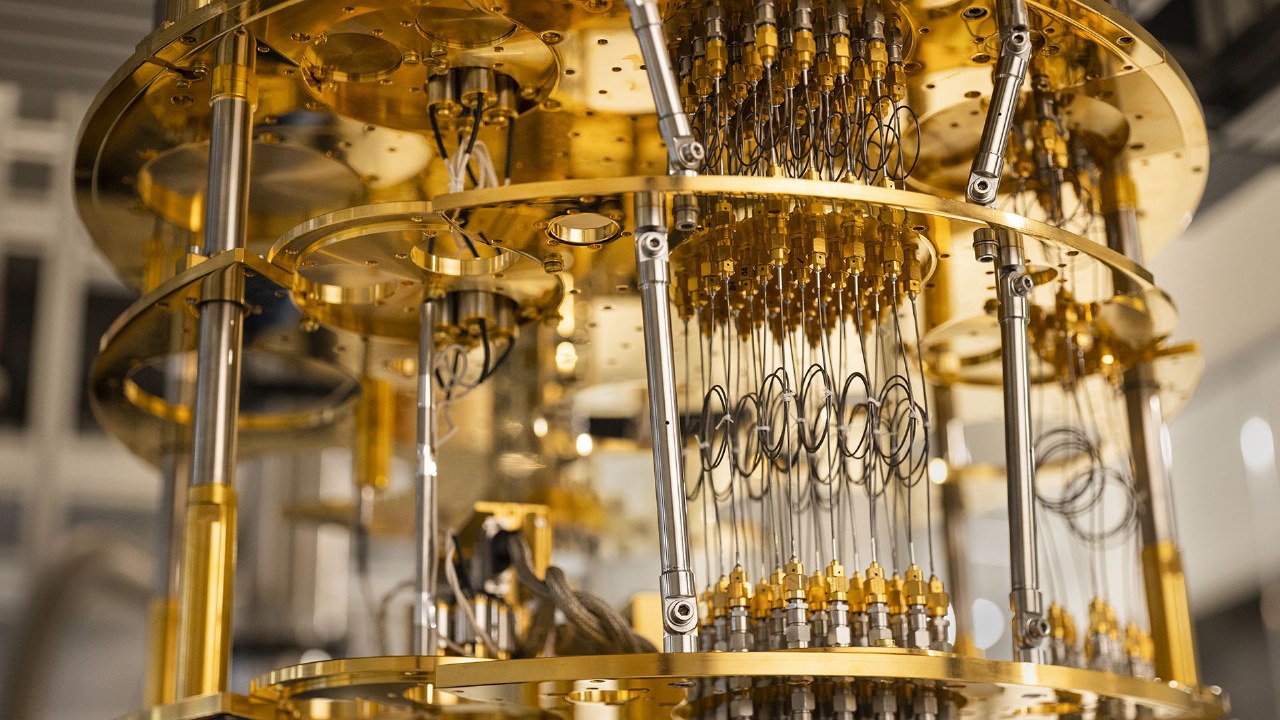
NEC has reportedly ceased the development of physical quantum computing machines as of March 2026. The company concluded that creating commercial quantum hardware would take too long to generate sufficient returns. This move follows a pattern of exiting capital-intensive businesses, similar to how the company previously dismantled its semiconductor division over a decade, including the spin-off of DRAM operations into Elpida in 1999 and the creation of Renesas Electronics in 2002.
The transition has led to a migration of talent. Several researchers, including a key research leader, have moved from NEC to Fujitsu. Fujitsu continues to invest heavily in superconducting quantum computing hardware and recently launched a 256-qubit superconducting quantum computer with Riken. The company aims to develop a machine with over 1,000 qubits by 2026 and systems exceeding 10,000 superconducting qubits by fiscal 2030.
While NEC has not formally announced a withdrawal from quantum technology, it continues to evaluate practical applications and industrialization of these technologies. The company is also conducting proof-of-concept projects with customers. By focusing on software, algorithms, and applications, NEC avoids the high costs and risks associated with designing and building quantum processors and complete systems.

