
Security incidents involving AI infrastructure have surged, with attackers increasingly using AI agents to accelerate multi-stage intrusions. Reports from Google Threat Intelligence Group and Mandiant indicate that AI misuse has reached a critical inflection point. CrowdStrike observed a single group targeting over 200 organizations in 11 days, while Palo Alto Networks noted that attack speeds have quadrupled compared to the previous year.
Throughout 2026, incidents occurred across the entire AI stack, targeting package registries, SaaS integrations, and developer platforms. In May, the Mini Shai-Hulud campaign compromised approximately 170 npm packages. By October, at least 16 AI developer and hosting platforms reported incidents involving stored customer secrets. In November, an attack on Optimizely affected 178 organizations, including Salesforce and the BBC, by injecting malicious code into websites.
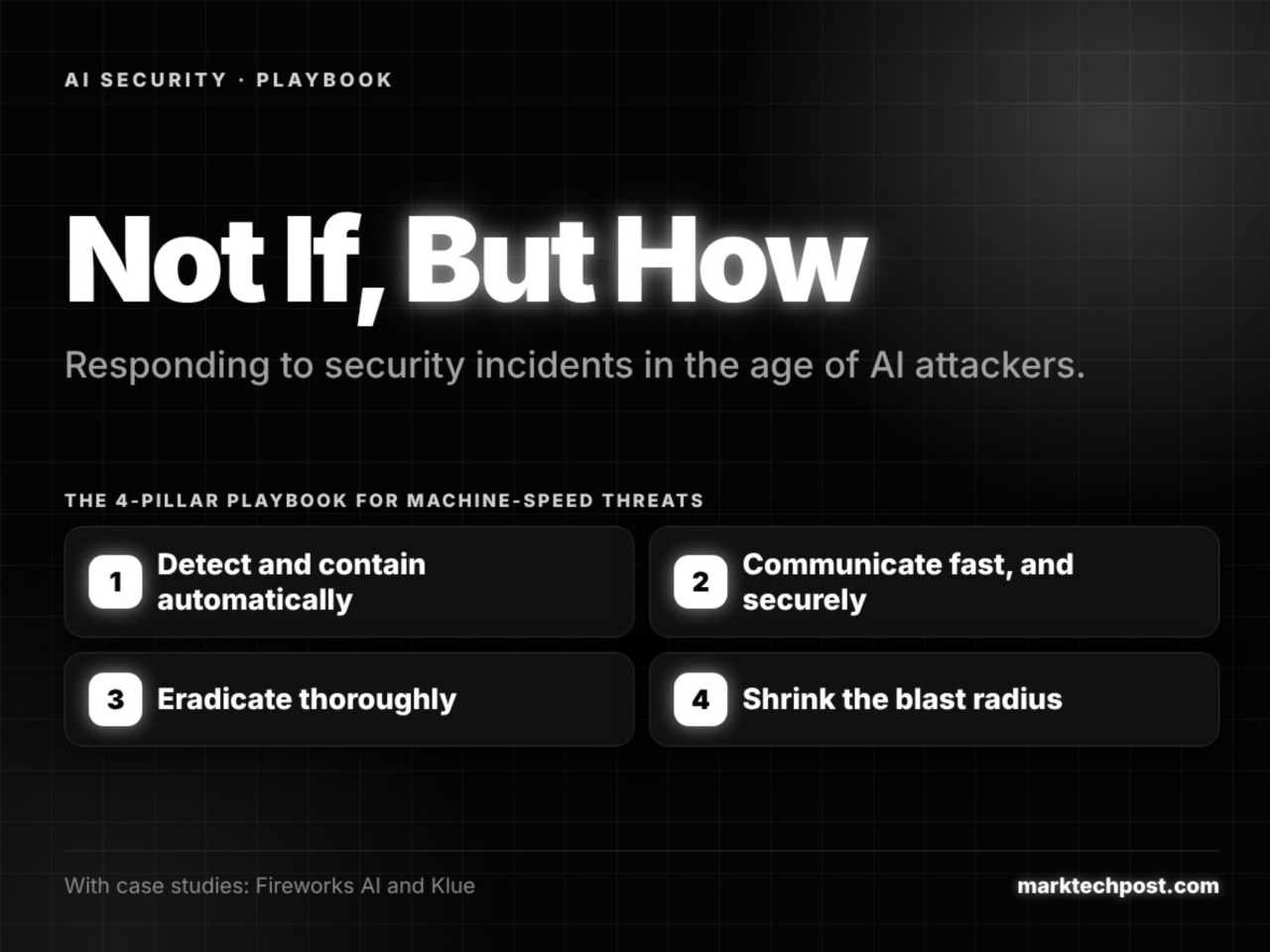
The primary target in these breaches is stored environment variables, specifically AI provider API keys. Wiz estimated that the misuse of just two keys exceeded $100 000 in value. Experts suggest that mature security responses now require four pillars: automatic detection and containment, secure out-of-band communication, thorough eradication of backdoors, and the adoption of ephemeral architecture to minimize data retention.
Fireworks AI serves as a case study for incident response. After detecting unauthorized credential use on October 6, the company notified customers within one day and engaged Palo Alto Networks Unit 42 for forensics. Because its core products utilize zero data retention by default, its inference and training services remained unaffected. The company has since implemented further measures, including a permanent deletion policy for batch inputs and outputs.
The platform Klue also experienced a breach in June, where an attacker used a legacy credential to access customer OAuth tokens. Klue identified the activity and notified users on the same day, subsequently disabling nine integrations, including Salesforce and Slack. These events highlight the risks of long-lived tokens and the necessity for companies to adopt proactive, ephemeral processing to limit the potential blast radius of any security incident.