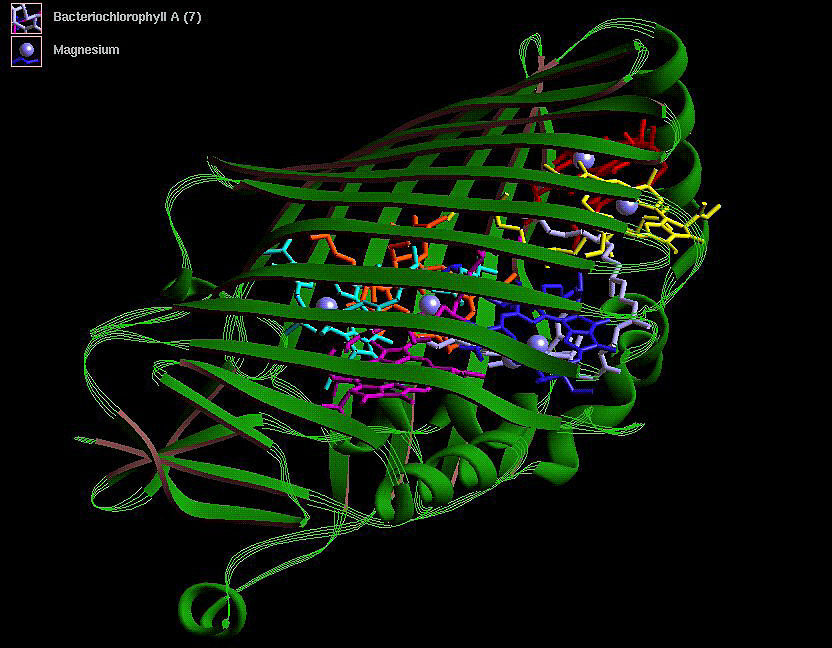
Researchers have developed Pinal, a protein design tool that uses natural language prompts to generate protein sequences. The system employs a two-stage process: T2struct translates text into structural blueprints, and SAProt-T constructs the final amino acid sequences. The model was trained on data from three databases, including one containing 800 million keyword-protein pairs, utilizing structural predictions from AlphaFold.
In testing, researchers tasked Pinal with creating four protein types, including fluorescent proteins. For the fluorescent protein test, the system generated 50 000 candidates, which were filtered down to 29 high-priority designs. These were synthesized in E. coli, resulting in one functional protein. The team notes that the low success rate is partly due to the exclusion of sequences resembling known proteins.
Separately, Hugging Face, the Zhongguancun Academy, and the University of Naples Federico II released Carbon X, an open-weight model for DNA sequences. Based on the Qwen3-14B language model, it was retrained on DNA data to allow interaction between natural language and genomic sequences. The model is designed to run on local hardware, such as a MacBook, to address privacy concerns and reduce costs.
Carbon X is reported to be competitive with commercial models like GPT-6.1 Sol, though developers note it can struggle with specific positioning in long sequences and may hallucinate if prompts lack detail. The tool aims to simplify research tasks for biologists by enabling natural language queries for genomic data, potentially reducing the need for complex bioinformatics configurations.