

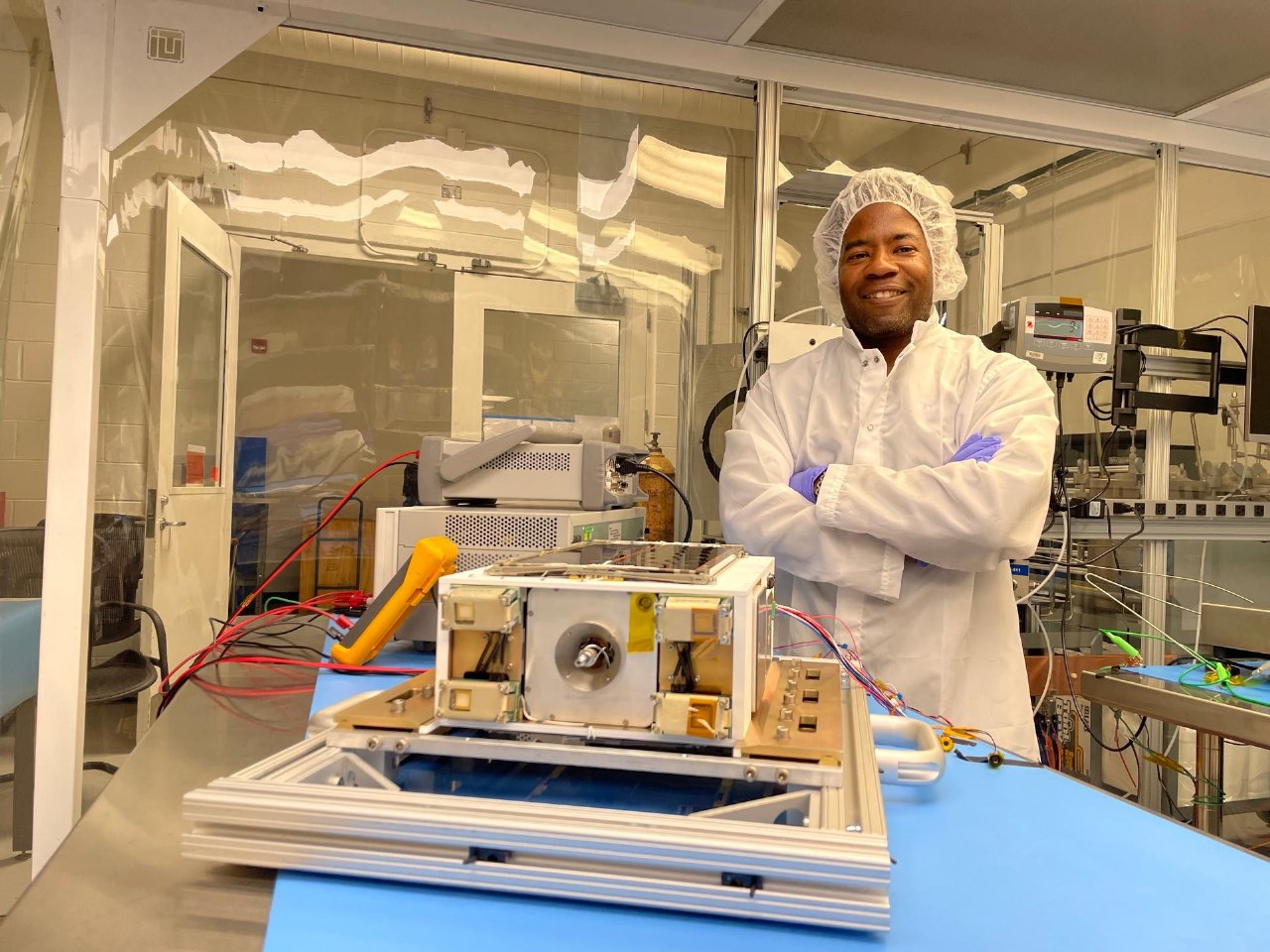
NASA engineers at the Marshall Space Flight Center have completed testing for a new CubeSat mission designed to demonstrate a dual-mode propulsion system. The spacecraft utilizes a single non-toxic propellant, known as ASCENT, to power both high-thrust chemical engines and low-thrust electrospray thrusters from one central tank.
The development of this technology involves a collaborative effort across multiple institutions. The Massachusetts Institute of Technology provided the electrospray thrusters, Plasma Processes built the chemical propulsion module, and the Georgia Institute of Technology integrated the spacecraft bus. NASA Marshall manages the overall mission.
The hardware underwent rigorous ground testing at the Small Spacecraft Servicing and Integration Lab. This included pressurized helium leak tests to verify seal integrity, thermal vacuum testing to simulate space conditions, and spin tests to confirm mass properties and center of gravity for stable flight.
The mission is scheduled to launch no earlier than October 1 aboard a SpaceX Falcon 9 rocket from Vandenberg Space Force Base. Once in an orbit approximately 325 miles above Earth, the spacecraft will conduct a nine-month mission to demonstrate its ability to alternate between engine types for orbit-raising and lowering maneuvers.



