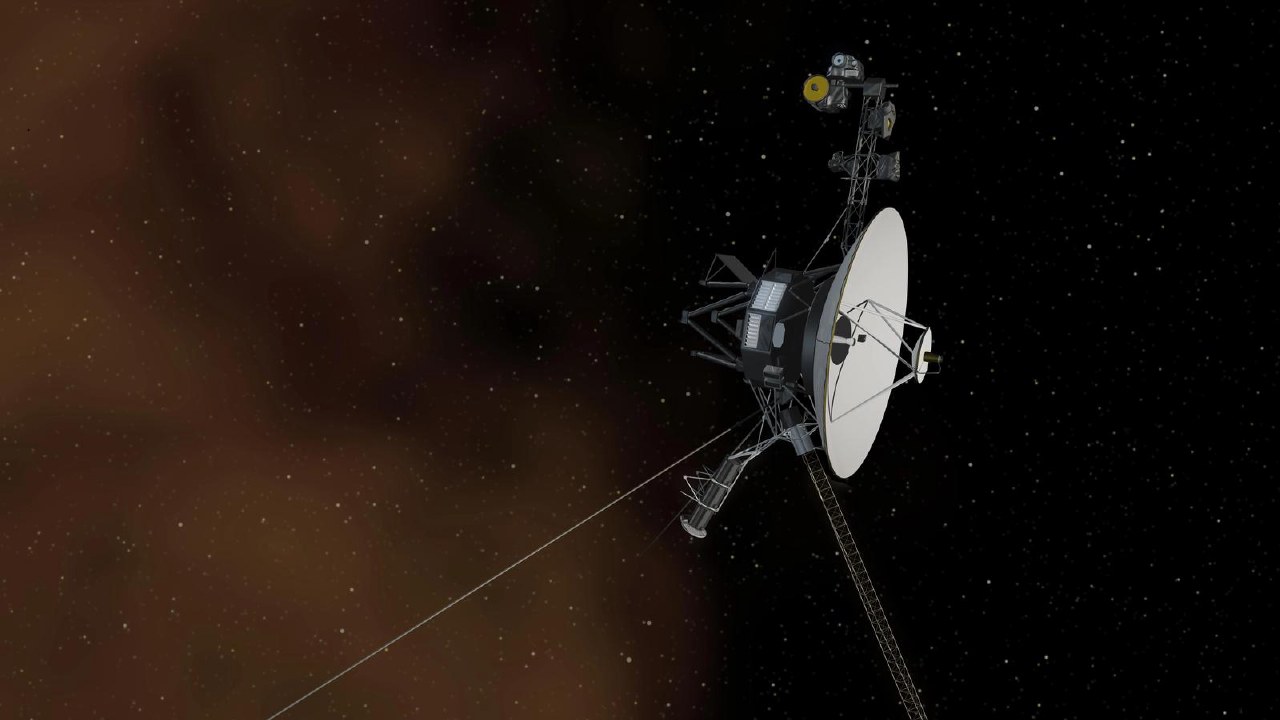
NASA engineers have extended the operational life of the Voyager 1 probe through a power optimization initiative dubbed Big Bang. In September, the team deactivated three components and replaced them with more energy-efficient alternatives. A similar procedure was performed on Voyager 2 six weeks prior to the Voyager 1 update.
The probes are powered by radioisotope generators that rely on plutonium decay heat. As fuel levels decline, the power output of each spacecraft drops by approximately 4 W annually. Over the course of nearly 50 years of operation, engineers have been forced to permanently disable several pieces of equipment, including two scientific instruments on Voyager 1.
On October 18–19, 2026, NASA experienced a temporary loss of communication with Voyager 1, which is currently located about 24 billion km from Earth. Ground stations failed to receive signals twice during this period, but connectivity was restored on October 20. Preliminary findings suggest a thruster group failure triggered an automatic switch to backup systems.
Voyager 1 is nearing a significant milestone, as it is expected to reach a distance of 25.89 billion km from Earth by November 18. At this range, a one-way signal transmission takes approximately 24 hours, meaning a full round-trip communication cycle requires nearly two days to complete.