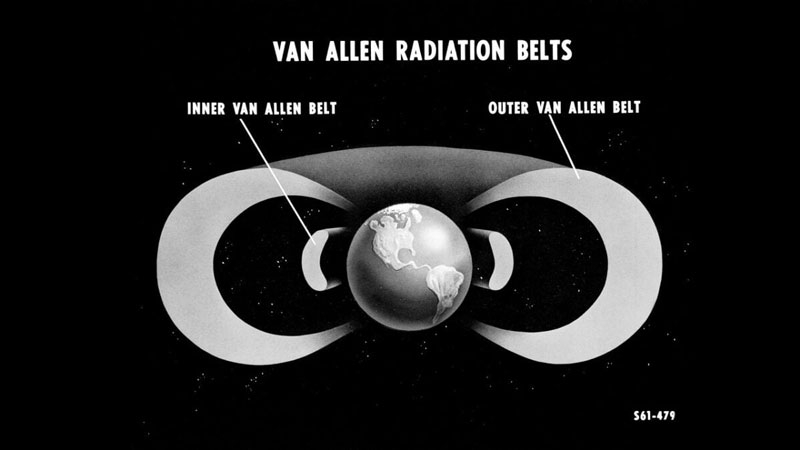
Solar flares in May 2024 triggered a geomagnetic storm, known as the Mother's Day Event, which reached an intensity of -412 nT. This event, the strongest in two decades, temporarily split Earth's two Van Allen radiation belts into four distinct zones.
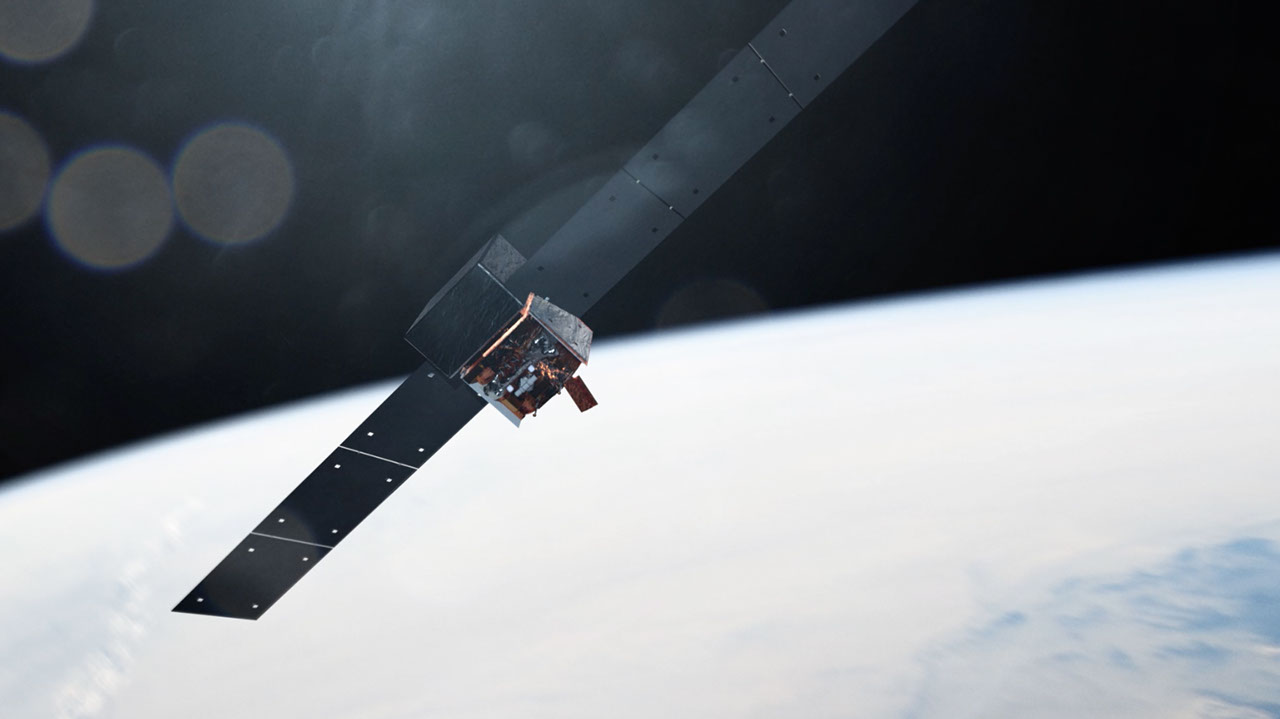
Data from the PROBA-V satellite, orbiting at 820 km, confirmed the structural change. The Energetic Particle Telescope (EPT) recorded an influx of high-energy electrons that filled the gap between the inner and outer belts, creating two additional temporary radiation regions.
The phenomenon persisted for over a month before the belts returned to their original configuration by August 2024. A third belt briefly reappeared later in the autumn during another period of solar activity.
Scientists emphasize the need for better predictive models for such events. As human presence in space increases, unexpected shifts in radiation belts pose significant risks to satellite electronics and the safety of space crews.