NASA is adjusting the mission profile for the Orion spacecraft to accommodate lunar landers from SpaceX and Blue Origin. These changes require Orion to dock with Starship in Earth orbit and with Blue Moon in low-lunar orbit, shifting operational requirements for the Lockheed Martin-built vehicle.
The docking configuration with Starship forces Orion to fly backward, necessitating modifications to the European Space Agency-supplied Service Module. Engineers are redesigning propellant tanks to prevent liquid fuel from entering gas inlets and ensuring the structure can withstand acceleration forces of 0.8 to 1 g, significantly higher than the original 0.1 to 0.15 g design.
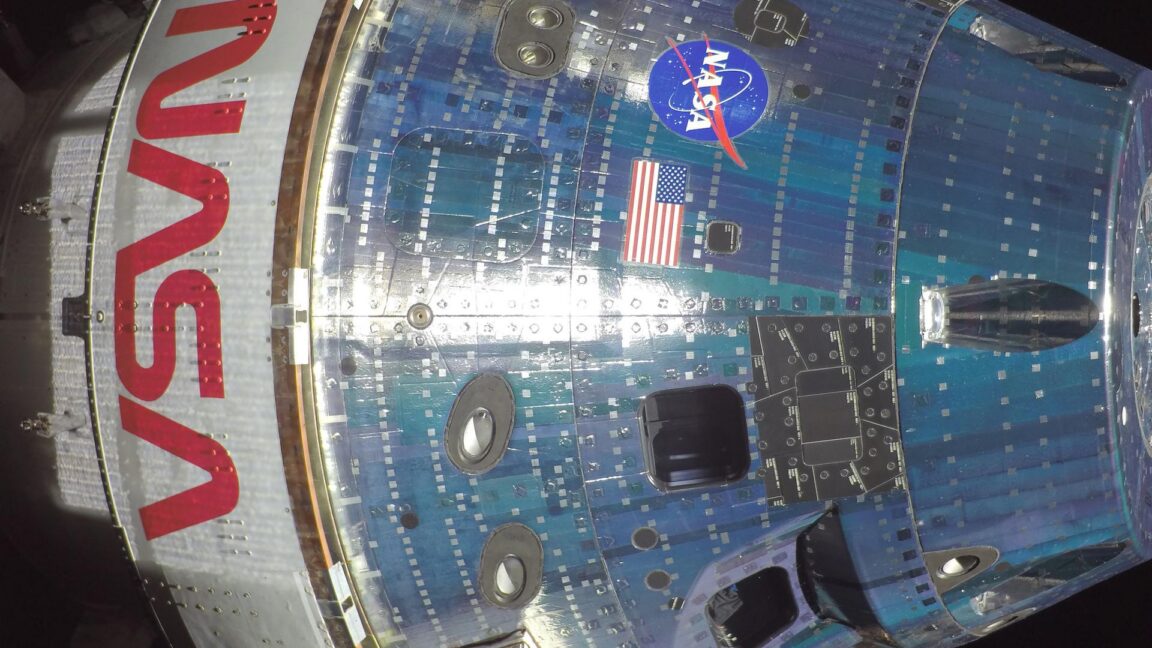
For the Artemis III mission, now scheduled for 2027, Orion will spend approximately two weeks in low-Earth orbit to test docking procedures. This extended duration in a warmer thermal environment requires removing specific exterior thermal tape and managing electrical loads to protect avionics and the crew cabin.
NASA and Lockheed Martin are currently assessing risks from orbital debris, with a final report expected by January. The compressed schedule for technical integration has forced the program into a three-shift work cycle to meet the target launch window in the summer or fall of 2027.