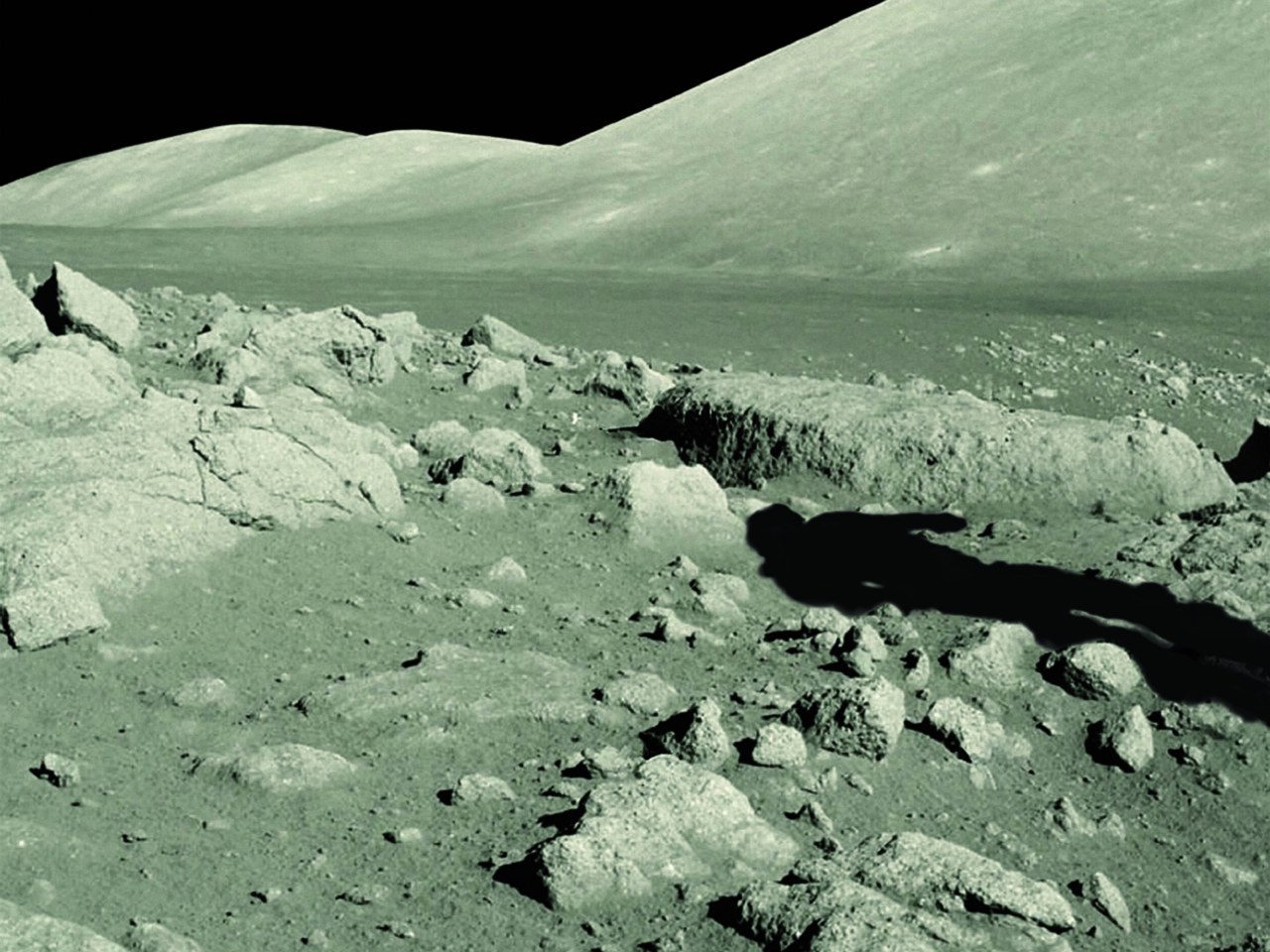
A committee has proposed that future lunar missions visit the Apollo 15 landing site near Mons Hadley. The plan involves two crew members inspecting equipment left in 1971, including a lunar rover, a lander base, and power systems. They would also collect biological samples, specifically urine and feces, to study the long-term effects of space radiation and temperature cycles on these materials.
The committee identified four priority locations for short-term human missions: the Bhabha crater, the Orientale basin, the Aristarchus plateau, and Mons Hadley. Each mission would include two astronauts performing one to four surface excursions within a 2 km radius of the landing craft. The group recommends that NASA increase the current limit for walking distances from the lander.
The Bhabha crater on the far side of the Moon is considered the most promising site for studying early universe radio signals and the psychological impact of isolation. The Orientale basin, estimated to be 3.8 billion years old, is targeted for deep crustal sampling and the deployment of a gravitational wave detector. The Aristarchus plateau is noted for its volcanic deposits, which may contain water.
To support these missions, the committee advises NASA to develop instruments capable of operating during the lunar night and to ensure continuous communication, including on the far side of the Moon. For the Aristarchus plateau, the proposal suggests building a simple open-top lunar rover. NASA will determine the final schedule and sequence for these potential expeditions.