NASA has concluded its Deep Space Food Challenge: Mars to Table, which aimed to develop food systems for future missions to Mars. The competition required participants to design infrastructure for a 15-person crew over a 500-sol duration, approximately 513 Earth days, under strict resource constraints.
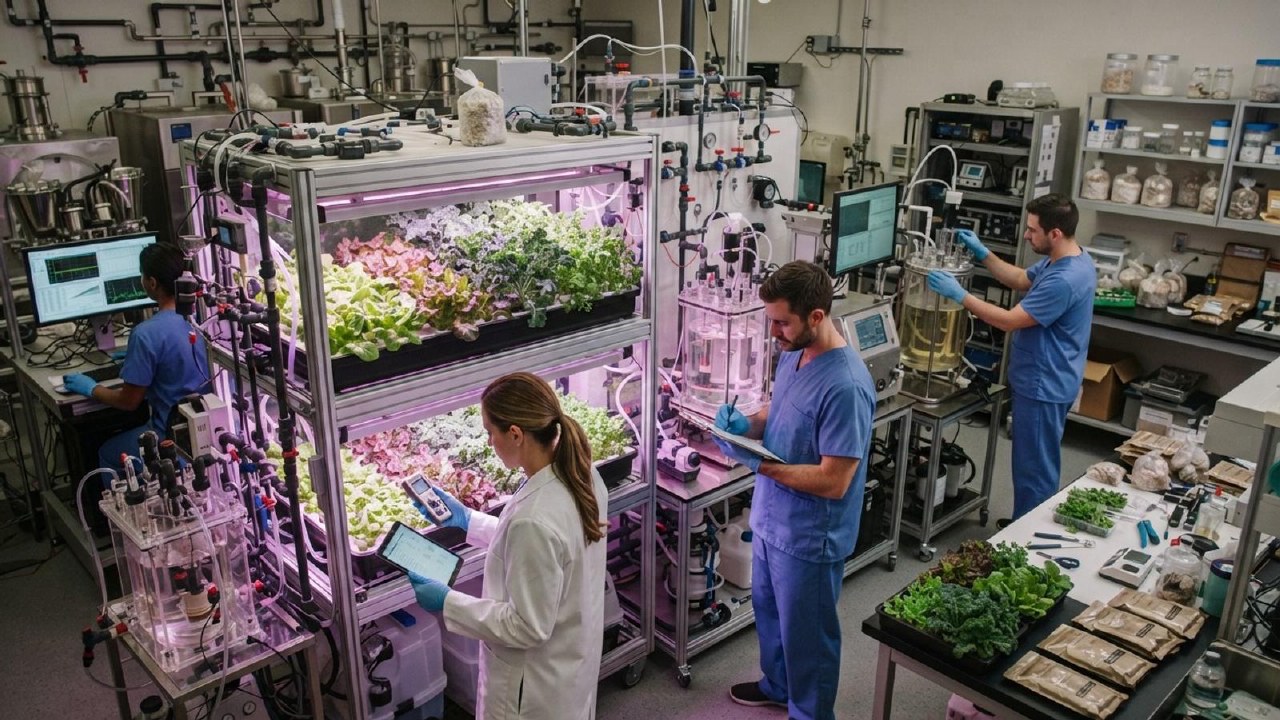
Chinyere Ukeje from Philadelphia won first place and $300,000 for her Adaptive Nourishment Infrastructure concept. The system integrates controlled-environment agriculture, fermentation, mushroom cultivation, and bioreactors to produce 50% of the crew's required food locally, while supplementing with supplies from Earth.
The second-place prize of $200,000 was awarded to the California-based company Cislune for its Fresh, Ferment, Reserve system. This approach combines specialized crop cultivation with a reserve of Earth-supplied food to mitigate risks from resource shortages or crop failure during the mission.
In total, NASA evaluated 113 submissions from 33 countries and 28 US states, distributing $650,000 among five winners. Three additional teams received $50,000 each for specific project aspects, including food processing and human-centered design, with the Belgian team Astrofood receiving special recognition.
The agency is exploring local food production to address the logistical challenges of Mars missions, where transit alone takes at least 9 months. This competition follows the previous Deep Space Food Challenge, which ran from 2021 to 2024 in collaboration with the Canadian Space Agency.