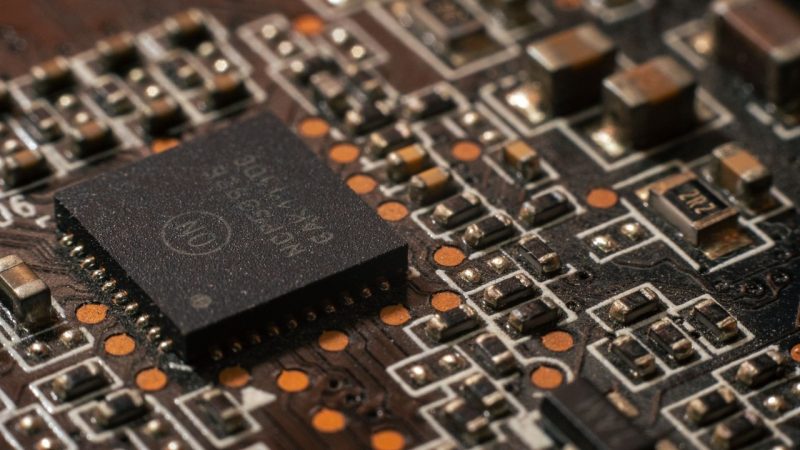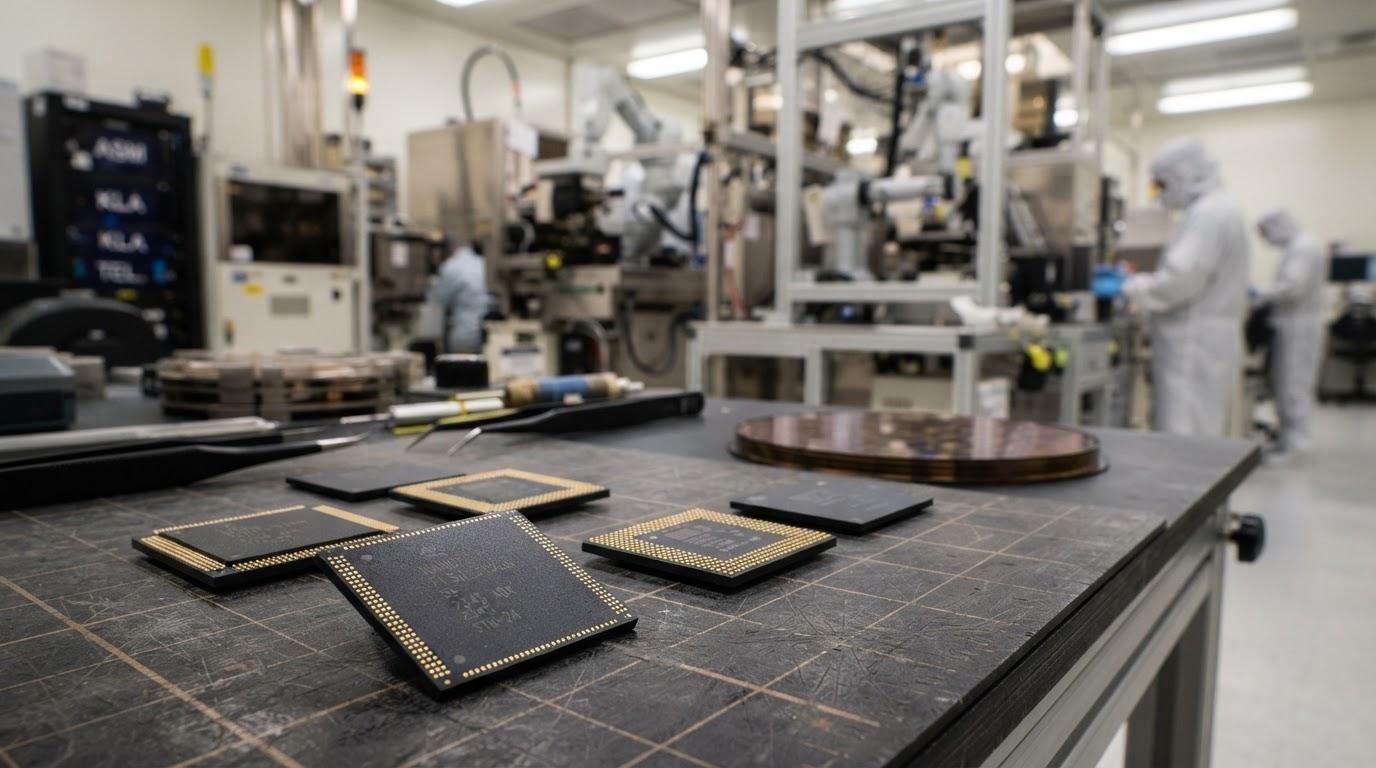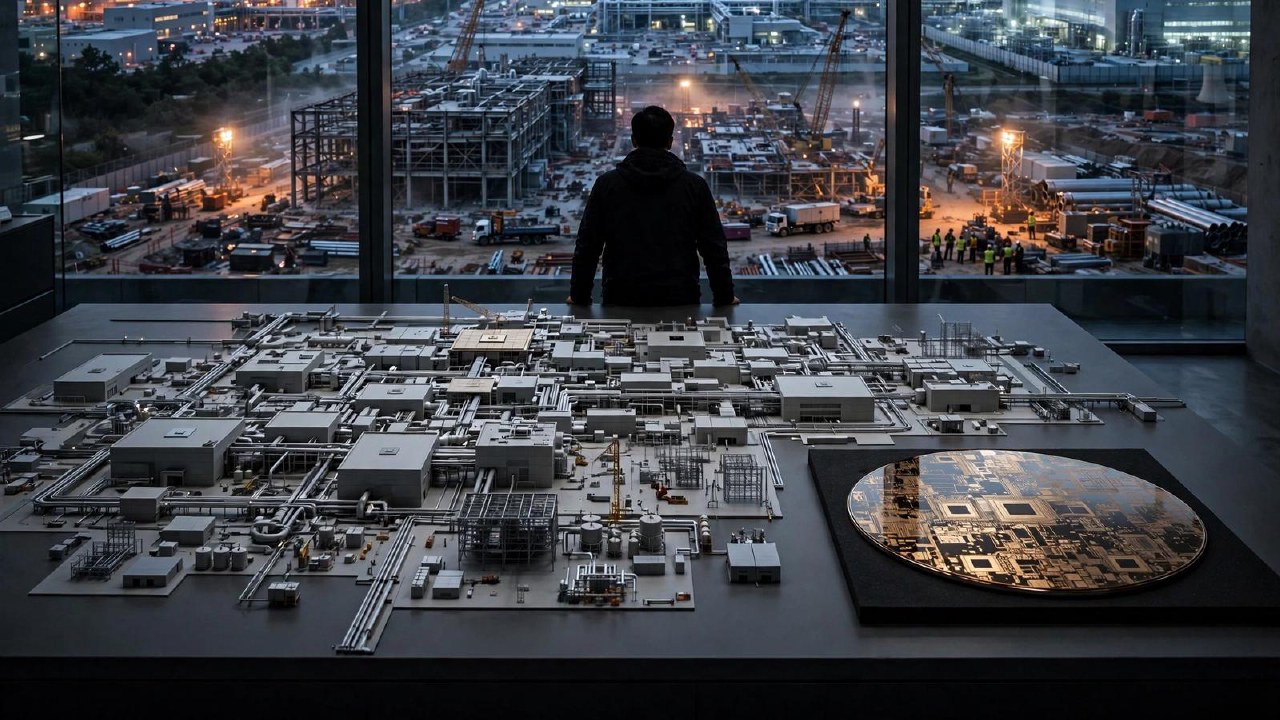
Elon Musk sought to acquire manufacturing facilities from Intel, TSMC, and Micron before launching his own chip production project, Terafab. Following rejections from these semiconductor giants, Musk shifted his strategy toward direct partnerships with equipment and material suppliers.
The Terafab project is currently negotiating with South Korean firms, while also engaging US-based partners such as Lam Research and Applied Materials. Intel has also joined the initiative, contributing its 14A manufacturing technology to the project's development.
Terafab aims to supply chips for Musk’s ventures in autonomous transport, humanoid robotics, and AI systems. Industry analysts estimate an initial output of 100 000 silicon wafers per month through 2030, with plans to scale production to 1 million wafers monthly thereafter.
Musk envisions Terafab as a cornerstone for developing physical AI systems capable of operating in the real world. He projects that advanced digital intelligence could boost global economic output by $30 trillion annually, eventually expanding the economy by a factor of one million.