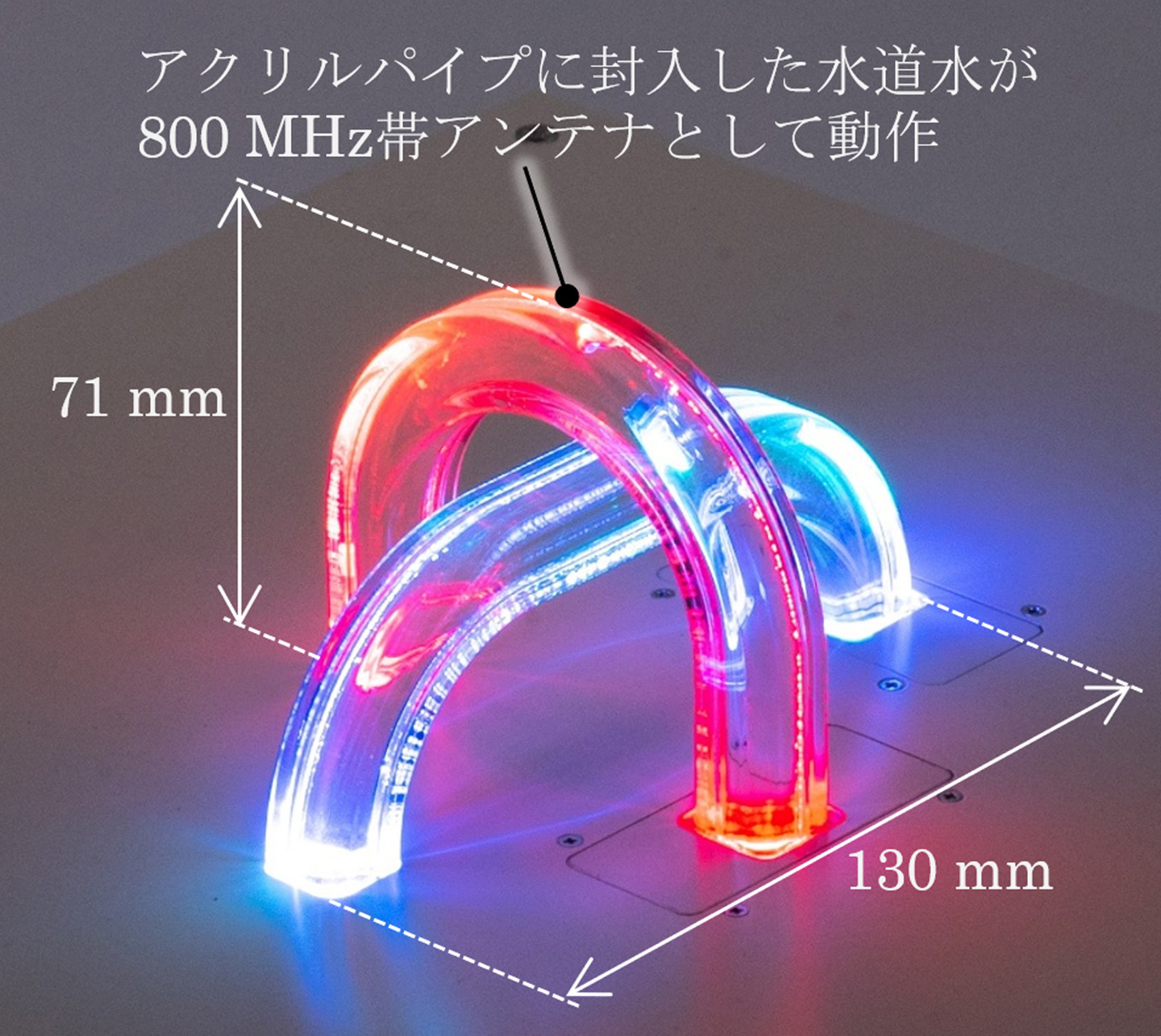
Mitsubishi Electric and Japanese carrier KDDI have successfully completed indoor testing of the Liqutenna, a novel antenna system utilizing tap water as a conductive element. This project represents the first implementation of such technology within the telecommunications industry.
The Liqutenna consists of an acrylic tube housing the water. While tap water has lower electrical conductivity than seawater, it functions effectively as a radiator. The design allows for adjustments to internal diameter and shape, matching the performance characteristics of traditional metal antennas.
Testing confirms that the Liqutenna provides connectivity performance comparable to standard metal antennas. Its transparent design allows for integration into commercial facilities, entertainment venues, and historical sites where conventional hardware installation is restricted.
Looking ahead, Mitsubishi Electric and KDDI intend to conduct further demonstration assessments in areas with poor signal coverage. The companies aim to explore new installation methods that balance improved communication infrastructure with aesthetic preservation.