

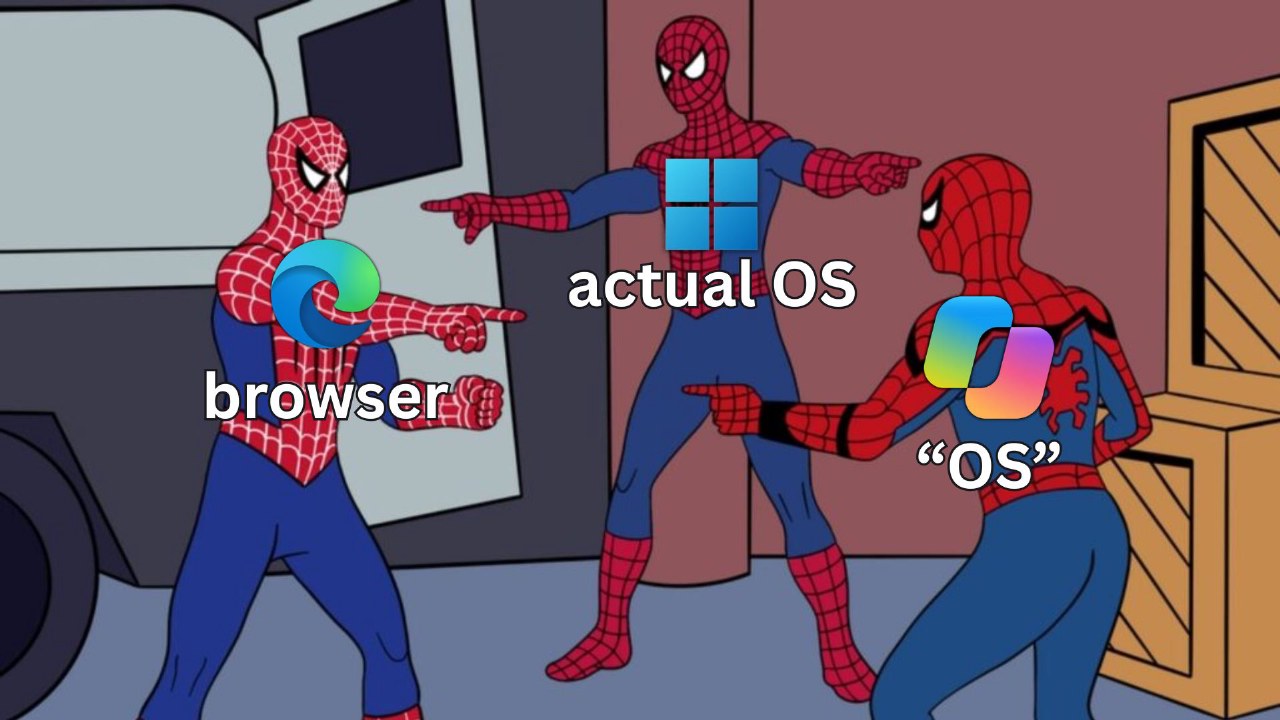
Microsoft CEO Satya Nadella describes Copilot as a new 'operating system for work,' aiming to unify access to Office apps, data, and AI agents. The platform integrates tools like Word, Excel, and PowerPoint, allowing users to perform tasks such as document editing and automation through natural language without switching between individual applications.
Technical analysis of the Windows 11 version reveals that Copilot is primarily a Chromium-based application rather than a native Windows tool. The installation package includes a full Microsoft Edge 154 environment, with the core interface rendered via Chromium. The executable size is approximately 4.99 MB, while the bundled browser components occupy about 520 MB.
A small native WinUI 3 component, developed with C# and .NET 10, handles specific Windows-integrated features like voice input, screen sharing, and floating input boxes. The native component and the Chromium-based interface communicate via Windows named pipes to manage settings, shortcuts, and local file access.
Microsoft's shift toward a Chromium-based architecture for Copilot is driven by the need for cross-platform consistency across Web, Mac, and mobile devices. By using Web technologies, the company can deploy new features rapidly across all platforms without the overhead of maintaining separate native codebases for each operating system.
While Microsoft positions Copilot as an 'OS,' it lacks traditional kernel, driver, and memory management functions. Instead, it acts as an AI-driven interaction layer that sits atop Windows. The strategy reflects a transition in user workflow: moving from manual application management to a model where Copilot orchestrates services and data based on user intent.



