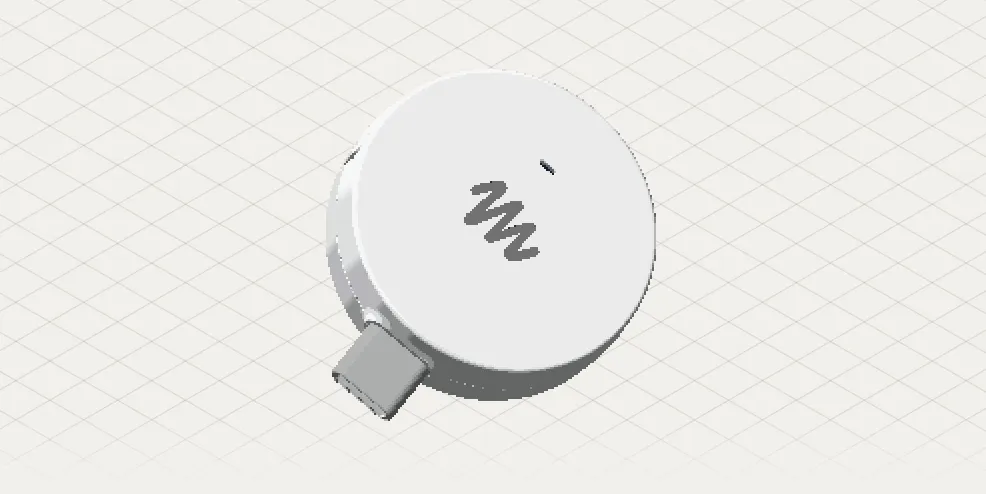
Meta has released open-source development tools for its Muse AI agent, enabling developers to integrate the technology into custom hardware. Users can connect Muse to components like E-ink displays, touchscreens, sensors, and actuators using platforms such as ESP32 boards or Raspberry Pi.
The company is also launching Muse Home Link, a dedicated AI smart home control hub. Meta has manufactured 5,000 units of this device, which will be provided to users for free. Interested parties can join a waitlist, with shipping scheduled to begin in October.
Muse Home Link functions as a centralized interface for smart home management. Through community-developed 'Skills,' the AI can interpret natural language commands to control household appliances, such as lighting, televisions, and printers, without requiring specific app navigation.
This initiative marks a shift in Meta's strategy to transition Muse from a software-based chatbot to an agent capable of executing real-world tasks. The company aims to establish an open hardware ecosystem where the AI serves as a universal platform for various physical form factors.
Meta has cautioned developers that these DIY devices carry inherent risks, as AI-controlled hardware can directly impact the physical environment. This follows previous privacy concerns regarding Muse's handling of user data during Facebook Marketplace transactions.