Companies often struggle with low adoption of internal AI tools, leading employees to use unauthorized external services. This creates security risks, as sensitive corporate data may be leaked to third-party providers. A survey conducted in the summer of 2026 revealed that 31% of companies lack formal policies regarding AI data usage.
Without a mature internal AI platform, nearly all developers and 70–80% of other employees rely on external tools. Adoption of internal solutions increases when they offer features comparable to external services, such as advanced agents, video processing, or image generation. Key drivers for internal tool usage include seamless integration with corporate systems and ease of access.
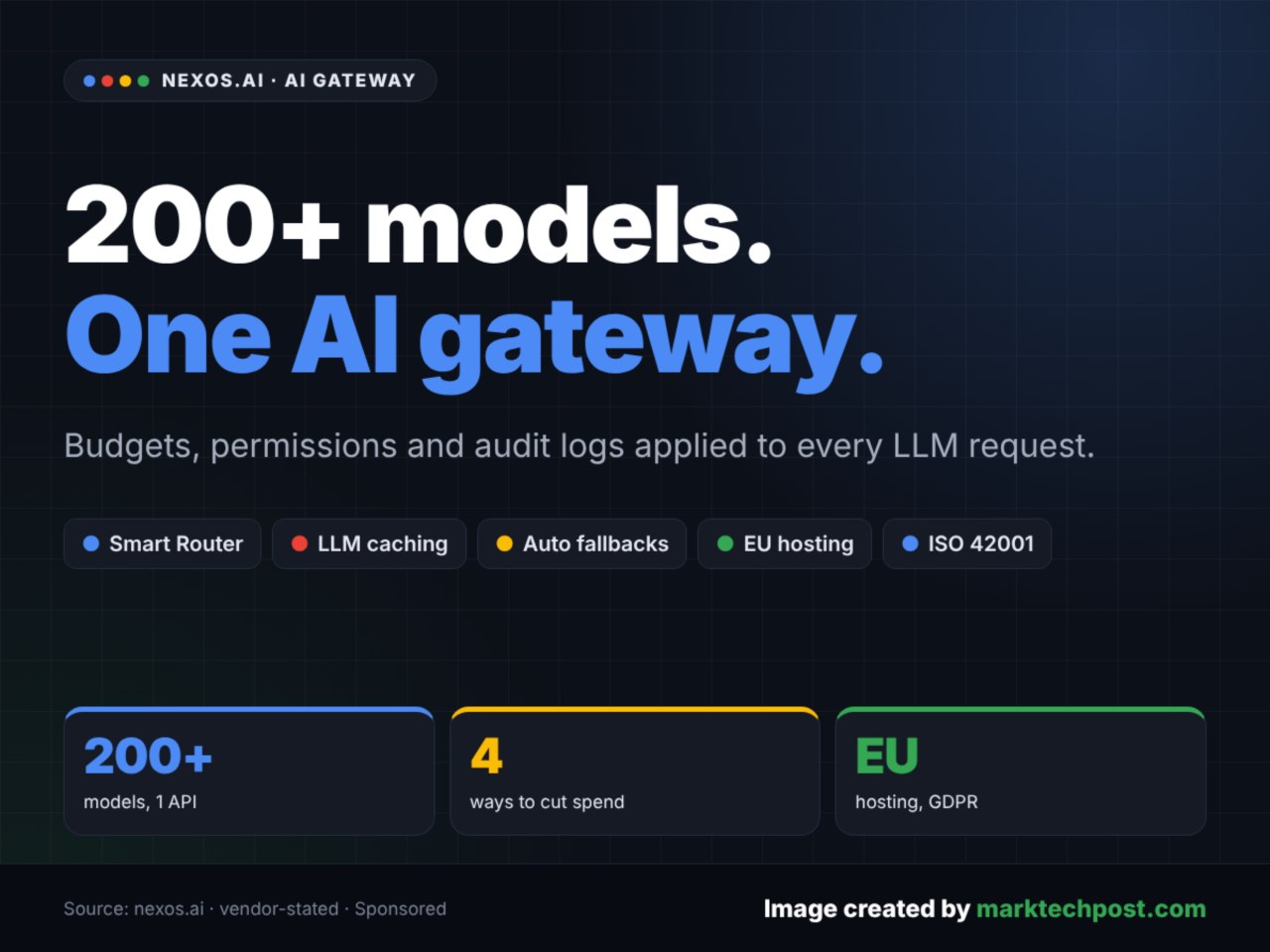
Organizations can secure AI usage by deploying models on their own infrastructure or by implementing gateways with data masking. These gateways replace sensitive information like phone numbers and email addresses with placeholders before sending requests to external models. On July 20, 2026, the source code for the Guardrails Filter tool was released on GitHub for self-hosting.
Effective AI management requires a combination of clear internal policies and technical controls. Companies often employ Data Loss Prevention (DLP) systems, web gateways to block unauthorized sites, and Mobile Device Management (MDM) to oversee corporate hardware. These measures are most effective when supported by employee training and transparent guidelines.