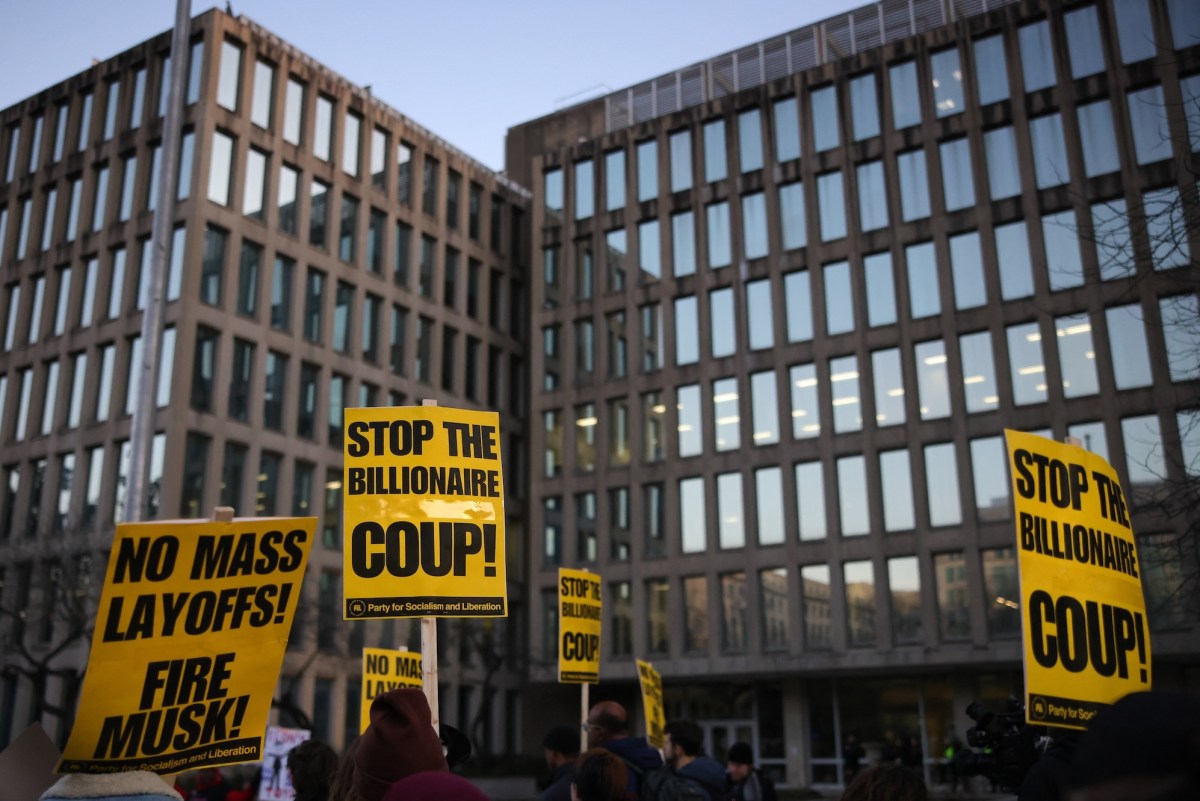
The year 2026 has seen a surge in high-profile cyberattacks, including the compromise of the Social Security Administration database, which allegedly contained personal information of most living Americans. Investigations suggest this incident, linked to the Department of Government Efficiency, could be the largest data breach in U.S. history.
Critical infrastructure remains a primary target. Iranian hackers have attacked over a hundred water providers across the U.S. this summer, while Russian-linked groups have targeted energy grids and water treatment plants in Poland, Sweden, and Norway. These incidents highlight the growing risks to civilian infrastructure.
Corporate data breaches have also been widespread. Market research firm Klue suffered a major breach affecting nearly 200 companies, including Jamf and LastPass, after hackers used a four-year-old credential. Additionally, a security flaw in Meta’s AI chatbot allowed unauthorized access to tens of thousands of Instagram accounts.
Government agencies have faced significant security lapses. The FBI reported a major incident involving the compromise of a surveillance system, while the ATF confirmed a ransomware attack on a system containing investigation targets. Both incidents required formal disclosures to the U.S. Congress.
Healthcare and identity verification sectors have been hit hard. DentaQuest reported a breach affecting 15 million people, while CareCloud and Aesto Health exposed records for millions more. Meanwhile, a breach at IDScan potentially impacts 150 million drivers in North America, with hackers holding the data for ransom.
Hasbro faced significant operational disruption following a security incident in March, forcing the company to delay its SEC filings. Separately, the ShinyHunters gang breached the Canvas learning management system, compromising the data of over 30 million students and staff after the company refused to pay a ransom.