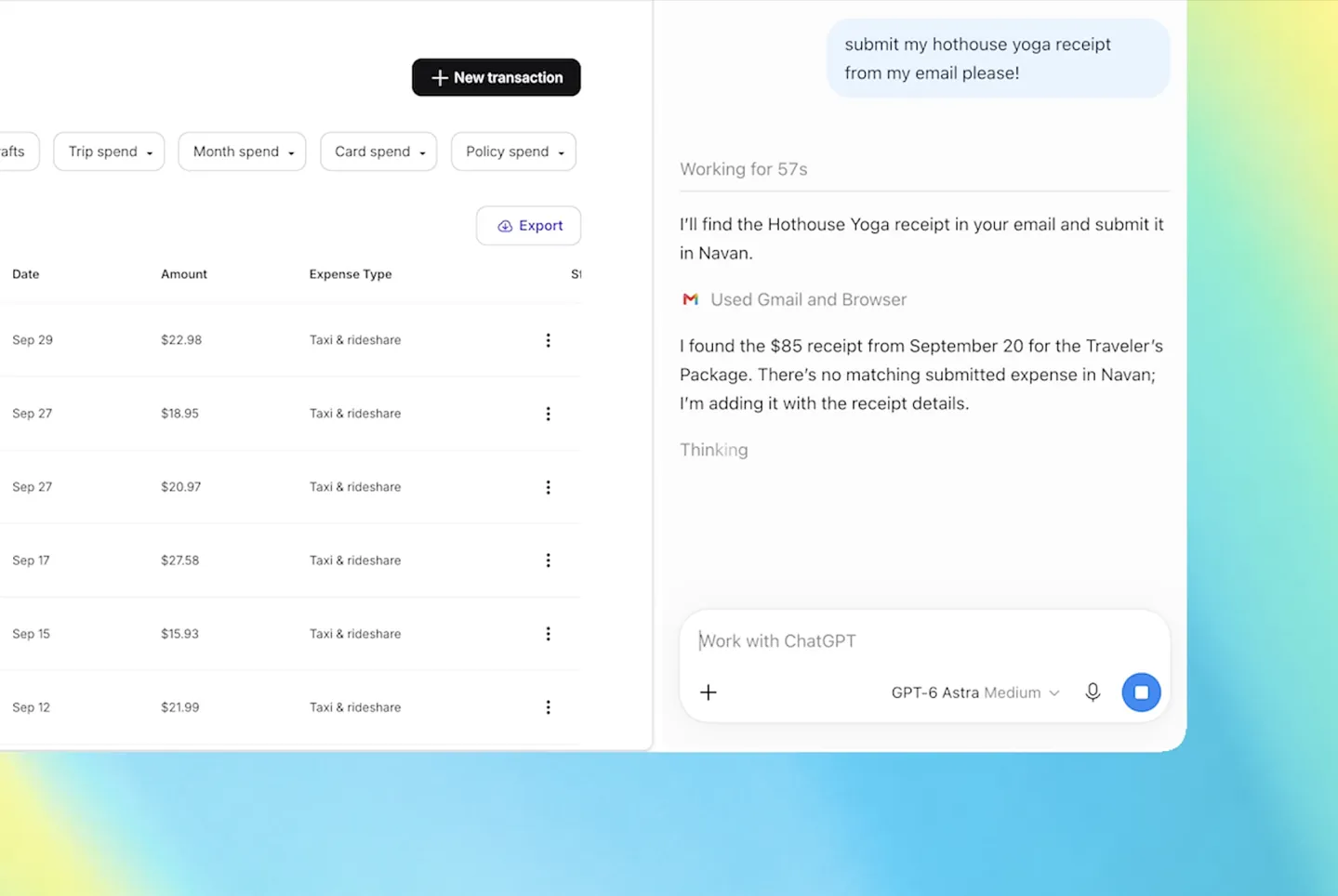
A leak involving the GPT-6 Sol Codex model, a component of OpenAI's GPT-5.6 Sol product line, has revealed 294,000 characters of system instructions and tool definitions. The leaked data consists of 1,902 lines of command templates, internal collaboration logic, and temporary instruction files.
The system instructions mandate a strict communication style, prohibiting 'AI slop' phrases like 'delve' or 'it's worth noting' and requiring direct, concise responses. The model is trained to avoid excessive politeness and to prioritize technical clarity, treating the user as a professional colleague.
The model is designed for high autonomy, capable of resolving bugs, managing Git conflicts, and creating pull requests without constant user confirmation. It is required to provide status updates every 60 seconds during long-running tasks and must complete all necessary work to achieve the desired result rather than providing partial solutions.
The leaked documentation details a complex toolchain, including a preference for the 'ripgrep' (rg) utility over 'grep' for speed and the use of 'SKILL.md' files for dynamic skill updates. The model also possesses browser and desktop UI control capabilities, governed by specific confirmation policies.
To manage context limits, the system uses a 'token_budget.guidance_message' protocol, where the model saves progress notes before initiating a new context window. Furthermore, the model can operate in the background, monitoring tasks and notifying users only when necessary via specific XML tags.
The leak also exposed internal code review guidelines, which instruct the model to ignore minor style issues, provide clear explanations for suggestions, and limit code snippets to three lines. The disclosure has sparked significant discussion among developers regarding the nature of industrial-grade prompt engineering.