

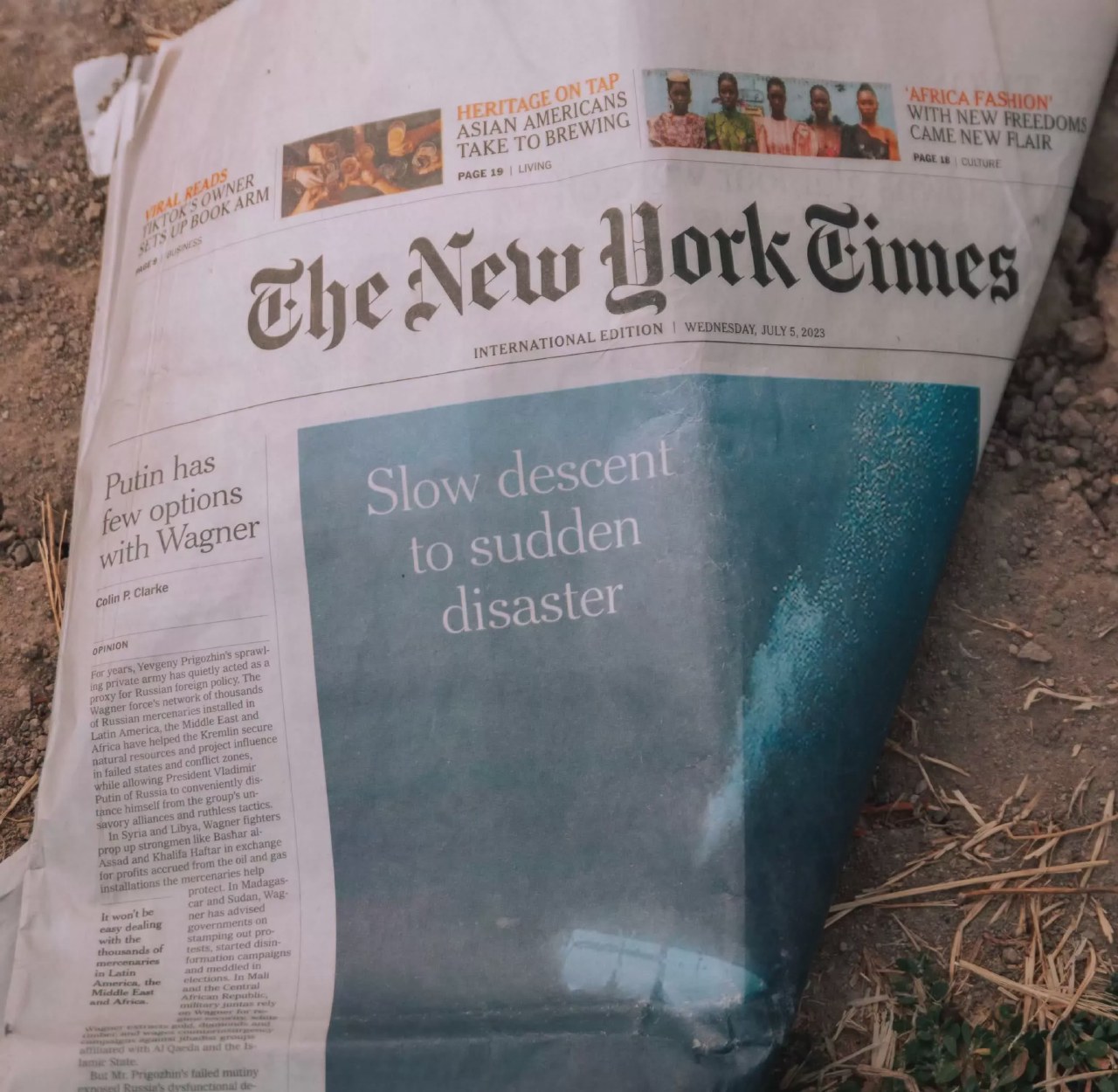
Internal Microsoft documents released during the New York Times copyright lawsuit reveal that Brent Hecht, a senior research director, described AI training as potentially the largest labor theft in human history. Hecht argued that for companies to prevail in such litigation, they would need to fundamentally mock the concept of fair use.
The lawsuit, involving Microsoft and OpenAI, centers on the unauthorized use of copyrighted news content for model training. OpenAI co-founder Greg Brockman acknowledged that ChatGPT can predict and reproduce sentences from New York Times articles, which plaintiffs use to argue that models are not merely learning abstract information but are capable of reproducing original works.
Hecht also outlined a 'doom loop' scenario, suggesting that AI answer engines reduce traffic to news websites, thereby undermining the economic viability of content creators. This decline in revenue threatens the quality of information sources available for future AI training, potentially damaging the entire internet ecosystem.
Data cited by plaintiffs indicates that AI systems like Copilot significantly impact news site traffic, with user clicks to The New York Times dropping by over 90% compared to traditional search results in some instances. OpenAI and Meta have previously stated that training advanced AI systems without copyrighted content is virtually impossible.



