Researchers at the Korea Advanced Institute of Science and Technology (KAIST) have developed a method to increase the lifespan of anode-free lithium-metal batteries. The team, led by professors Jinwoo Lee and Hee-Tae Jung, collaborated with Kyungpook National University and the National NanoFab Center on this project.
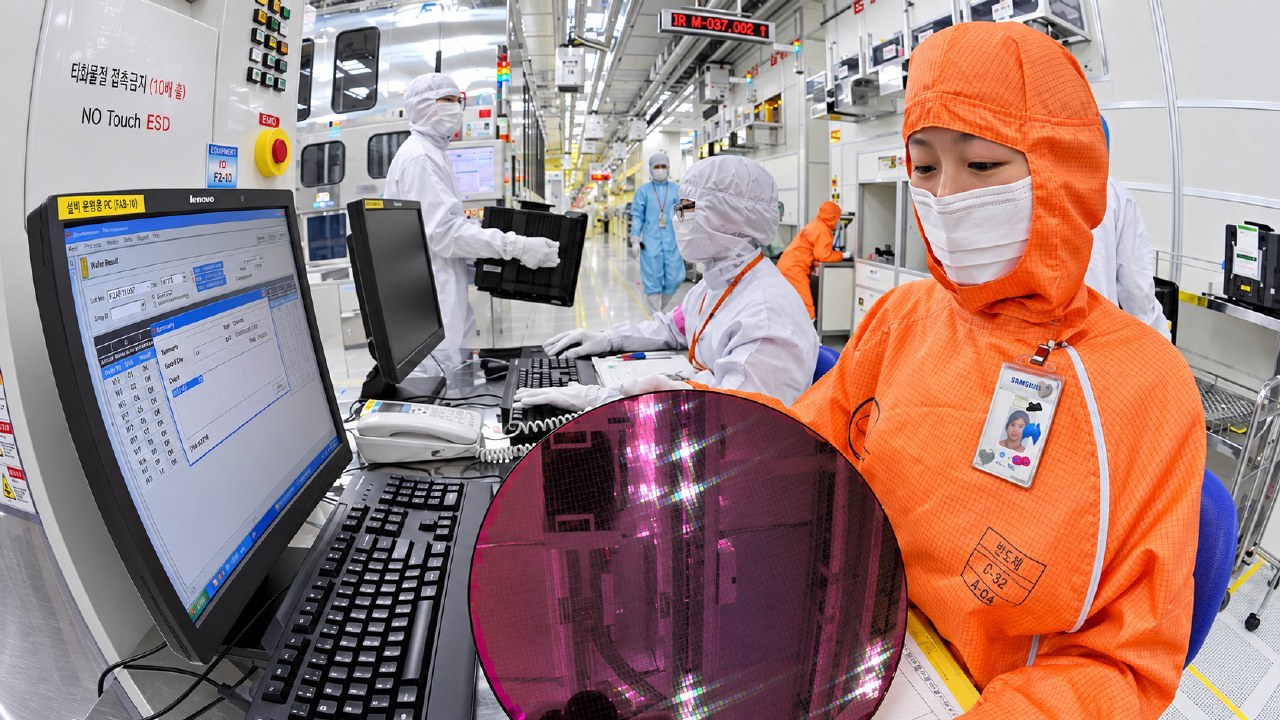
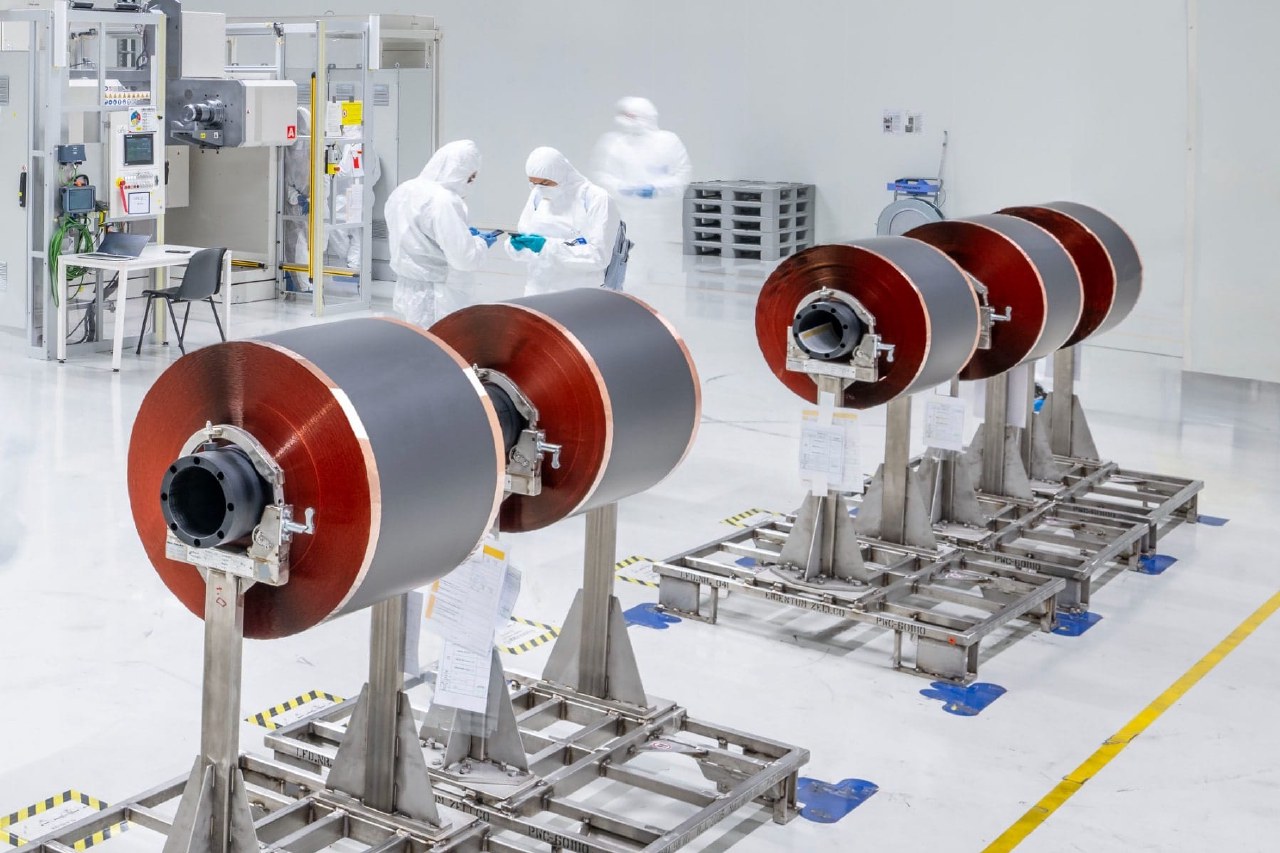
The team utilized a technique adapted from semiconductor manufacturing called Secondary Sputtering Lithography (SSL). This process creates tubular structures on copper foil with a diameter of 300 nanometres and a height of 150 nanometres. This design increases the surface area for lithium deposition by approximately four times compared to standard copper foil.
Additionally, the researchers applied a 10-nanometre thick coating of MXenes to the copper surface. This material promotes the formation of a stable lithium fluoride-rich Solid Electrolyte Interphase, which helps prevent dendrite growth and unwanted chemical reactions between the lithium and electrolyte.
The findings were published on 1 September in the journal Advanced Functional Materials. While the study addresses dendrite formation and boundary layer stability, it remains unclear if this method prevents lithium from becoming permanently bound within the copper collector, a mechanism identified in a separate July study by German researchers.
Previous research involving KAIST in November 2025 demonstrated an anode-free battery with a volumetric energy density of 1,270 Wh/l. That earlier prototype, which used silver nanoparticles and a specialized electrolyte, retained 81.9 per cent capacity after 100 cycles with an average Coulombic efficiency of 99.6 per cent.
The current research team has not yet disclosed specific data regarding the energy density or cycle stability of the new SSL-based approach. Furthermore, the potential for scaling this manufacturing process to industrial production levels has not been determined.