

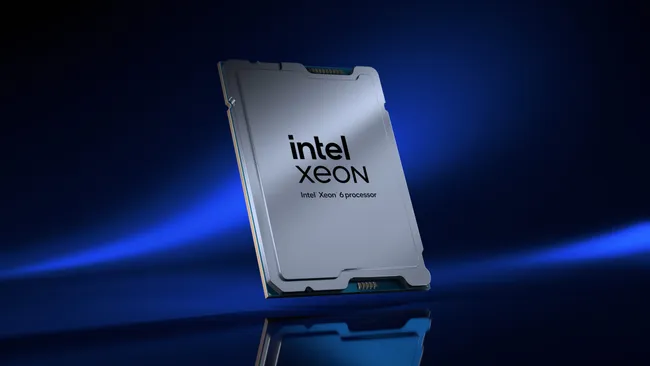
Intel has announced that the Xeon Diamond Rapids processor series will be the final generation to support Software Guard Extensions (SGX). The company is shifting its confidential computing strategy toward Trust Domain Extensions (TDX) for future hardware architectures.
SGX allows for the creation of isolated enclaves within applications to protect sensitive data and keys. Intel confirmed that existing SGX platforms will continue to receive security updates and support until the early 2030s, providing a transition window for current enterprise customers.
Unlike SGX, which often requires developers to modify applications, TDX isolates entire virtual machines from the host environment. This approach allows businesses to run existing software in cloud environments without significant code changes, offering better scalability and easier deployment.
Intel plans to enhance TDX with features such as TDX Connect for trusted I/O, post-quantum encryption, and improved attestation mechanisms. The company is also collaborating with Nvidia to integrate CPU and GPU confidential computing to protect AI models and sensitive data.
TDX is currently available through major cloud providers, including Microsoft Azure, Google Cloud, IBM Cloud, Alibaba Cloud, and Volcano Engine. Furthermore, software vendors like VMware, Red Hat, and Canonical are integrating TDX support into their platforms.


