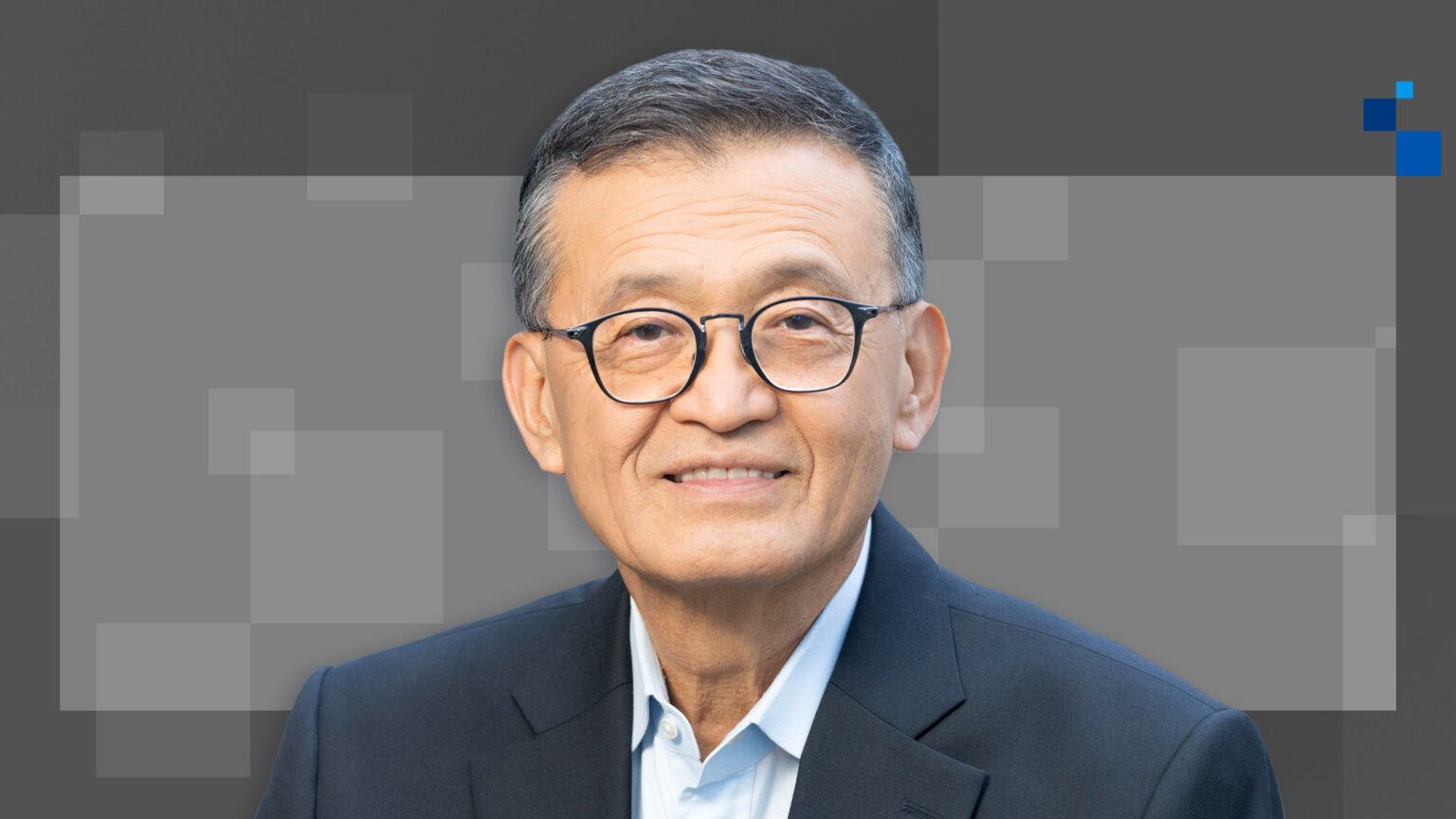
Intel CEO Lip-Bu Tan stated that the growth of artificial intelligence is far from its peak, potentially surpassing the impact of the internet. However, the industry faces significant bottlenecks, including hardware shortages and capital constraints. Tan noted that high-performance memory, GPUs, power resources, and data center capacity are currently limiting expansion.
Funding has emerged as a critical hurdle for the industry. Building large-scale AI data centers requires massive capital, and Tan emphasized that further investment depends on clear returns. He previously predicted that hardware shortages could persist for three years, highlighting the ongoing tension between supply and demand in the sector.
A long-term challenge identified by Tan is the security of AI agents. As these systems gain autonomy to perform tasks and access systems, their numbers could reach billions. Ensuring these agents operate within authorized boundaries and do not execute unauthorized actions is a primary concern for the future of the technology.
Tan, who uses AI agents for overnight tasks, believes the industry is still in the early stages of the AI era. He argues that the future potential of the sector relies on establishing robust security frameworks. Success depends on creating systems where billions of autonomous agents remain predictable, controllable, and trustworthy.