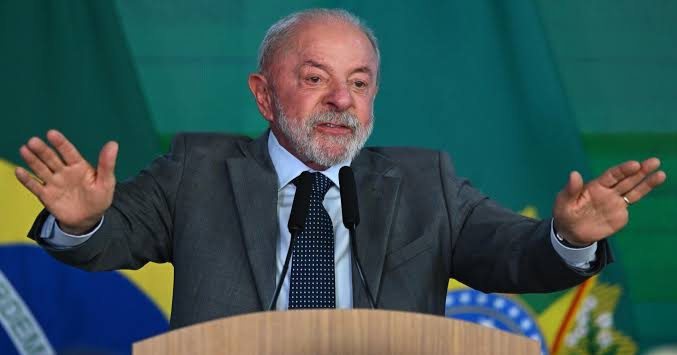
Following the reelection of Luiz Inácio Lula da Silva, who secured 51.79% of the vote against 48.21% for Flávio Bolsonaro, Brazilian markets experienced a significant downturn. The benchmark Ibovespa index dropped by 17.34%, its sharpest daily decline since 1998, forcing the B3 exchange to trigger a circuit breaker for the first time since March 2020.
A perpetual futures contract on the Hyperliquid platform, which tracks the iShares MSCI Brazil ETF, signaled the market shift before traditional exchanges opened. The contract fell by as much as 27% as election results became clear. This instrument, deployed by trade.xyz via the HIP-3 framework, operates around the clock, unlike the underlying ETF.
The broader market reaction included a decline in the iShares MSCI Brazil ETF to approximately $31.83 in premarket trading. Financial stocks saw heavy losses: Bradesco fell nearly 28%, Itaú Unibanco declined 20%, Nu Holdings dropped 21%, and XP shares plunged over 52%. Petrobras shares also fell by approximately 16%.
The Brazilian real depreciated by more than 11% against the US dollar during early trading. Investors are currently focused on the incoming administration's fiscal policy, public debt management, and the appointment of a finance minister, as the election outcome reversed previous market positioning that had anticipated a victory for Bolsonaro.