The new Hungarian government, led by Prime Minister Péter Magyar, is reviewing investment agreements with Chinese companies established under the previous administration. The policy shift focuses on stricter environmental and labor standards, alongside increased transparency for state funding.
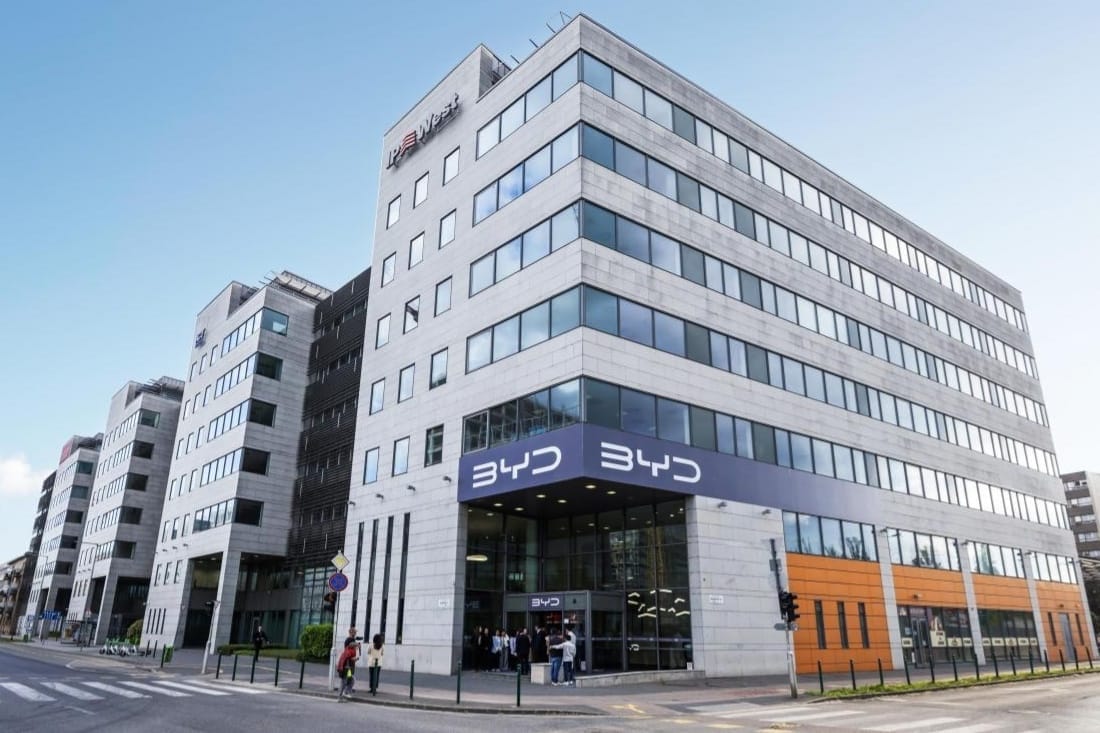
BYD is currently building its first European passenger car plant in Szeged, with test production starting in early 2026 and a target capacity of 200 000 vehicles annually. The company also operates a bus plant and battery facility in Hungary, having moved its European headquarters to Budapest.
Concerns have been raised regarding labor practices at the BYD construction site, with reports of 14-hour workdays. Additionally, the government is scrutinizing the appointment of former minister Péter Szijjártó, who negotiated the initial BYD settlement, to a senior role within the automaker.
CATL faces increased regulatory pressure at its Debrecen battery plant, where cell production has been delayed. The facility, originally planned for 40 GWh, aims for 100 GWh capacity. Authorities recently suspended work in parts of the site due to nickel exposure and safety issues.
Environmental oversight is tightening, with plans to create a new authority capable of halting production at battery plants for violations. CATL has already received fines for hazardous waste management, and the operating license for Semcorp was revoked in June due to groundwater contamination.