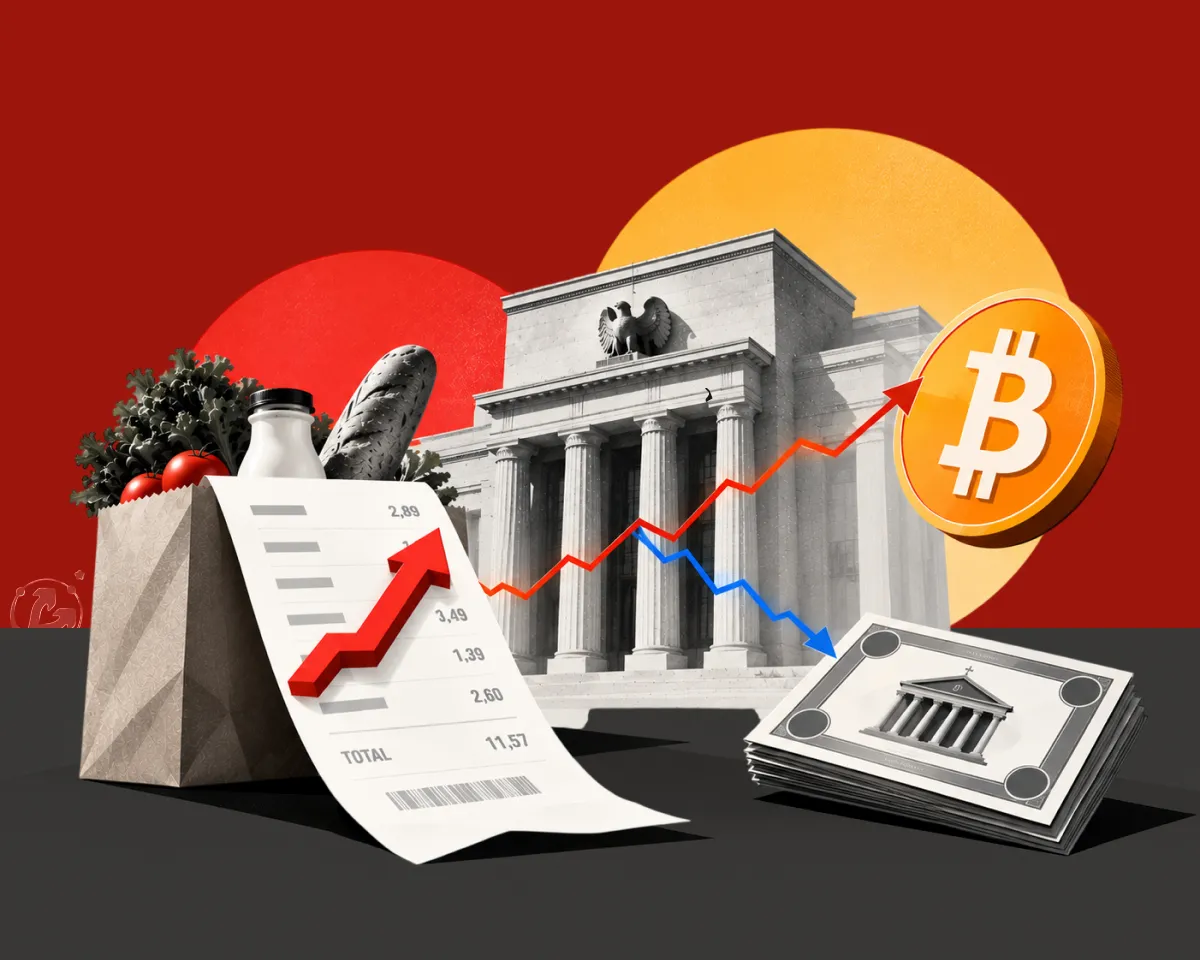
Inflation reports in the US serve as primary indicators for market participants to predict Federal Reserve monetary policy. When inflation accelerates, investors anticipate interest rate hikes, which typically leads to increased yields on government bonds and reduced appetite for riskier assets like stocks and cryptocurrencies.
The Bureau of Labor Statistics (BLS) publishes the Consumer Price Index (CPI), tracking costs across 75 urban areas. In September 2026, the CPI rose 0.6% monthly and 3.7% annually. The Producer Price Index (PPI) tracks costs at the wholesale level, often acting as a leading signal for retail price changes.
The Federal Reserve prefers the Personal Consumption Expenditures (PCE) index to measure its 2% inflation target. The PCE differs from the CPI in its weighting of categories, such as housing and medical services, and its methodology for accounting for consumer substitution of goods.
Market volatility is driven primarily by deviations from consensus forecasts rather than absolute inflation figures. For example, on November 10, 2022, a 0.3 percentage point difference between expected and actual CPI data caused Bitcoin to rise 6% and the Nasdaq Composite to gain 7.35%.
Investors utilize tools like FedWatch by CME Group, which uses federal funds futures to calculate the probability of interest rate adjustments. Additionally, the FOMC publishes a dot plot quarterly, providing insights into the interest rate expectations of committee members.