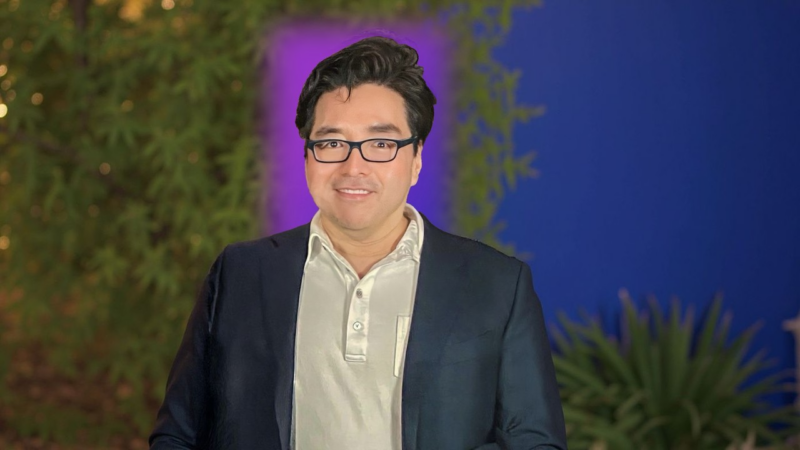
Federal Reserve Chair Kevin Warsh does not categorize the current surge in AI-related investment as a source of persistent inflation. According to Tom Lee, Warsh views the spending boom as a demand shock that precedes long-term productivity gains and wealth creation.
Warsh outlined this perspective during his July 2026 testimony to the Senate Banking Committee and at IMF meetings in October 2026. He distinguishes between supply-constraining events, such as geopolitical conflicts, and AI investment, which he considers potentially transformative for the economy.
As of September 2026, the Consumer Price Index reached 3.7%, remaining above the Federal Reserve's 2% target for over five years. Despite these figures, the central bank maintained steady interest rates as of late October 2026.
Warsh assumed the role of Fed Chair in May 2026 following his nomination by President Trump. His current policy approach suggests a willingness to keep interest rates unchanged to avoid hindering potential growth while waiting for the supply-side benefits of AI to materialize.