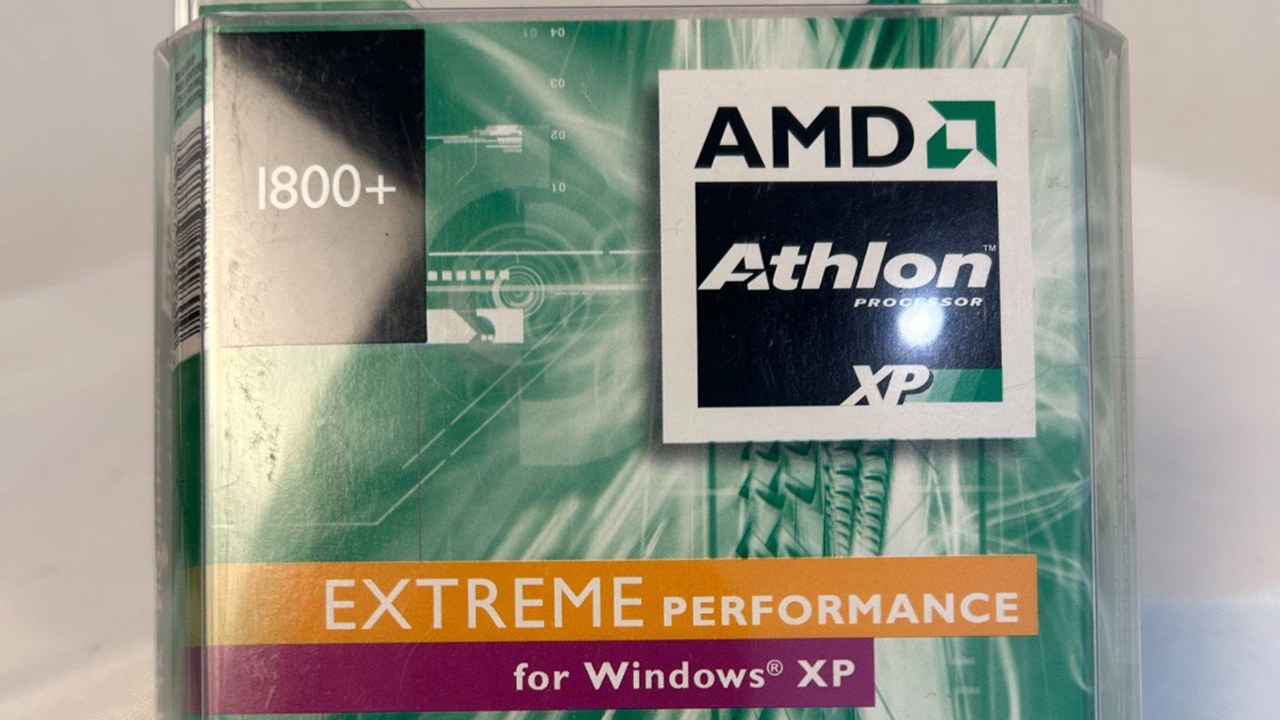
Twenty-five years ago, AMD introduced its Performance Rating (PR) system to challenge the industry reliance on clock speed as the primary metric for CPU performance. At the time, Intel processors like the Pentium 4 held a significant advantage in megahertz, despite AMD chips delivering comparable or superior results in real-world applications and gaming.
Testing from October 2001 demonstrated that the Athlon XP 1800+ could outperform the Intel Pentium 4 2 GHz in most benchmarks. The analysis showed that an Athlon XP running at 1533 MHz could match or exceed a Pentium 4 operating at a clock speed nearly 33% higher. This performance gap necessitated a new marketing approach to address the 'megahertz myth'.
AMD initially planned to establish an independent institution to develop a fairer performance measurement system, though Intel showed no interest in such validation. The PR system served as a strategic alternative during the early millennium competition between the two companies, allowing AMD to market its products based on actual output rather than raw frequency.
The Performance Rating system remained in use for approximately five years. It was eventually abandoned as market conditions shifted, including the transition of Intel architectures from the Pentium 4 Netburst to the Pentium M and Core series. The release of the Athlon 64 and the industry-wide move toward multi-core processors ultimately rendered the PR scheme obsolete.