The US Department of Energy has officially designated helium as a critical material, citing its vital role in domestic manufacturing and semiconductor production. The agency emphasized that helium lacks viable substitutes in many essential applications, making it highly susceptible to supply chain disruptions.
While the US remains the world's largest helium producer, accounting for approximately 43% of global output last year, the Department of Energy warns of rising supply risks. Global demand is currently outpacing production growth, further complicated by limited domestic refining capacity and lengthy regulatory approval processes.
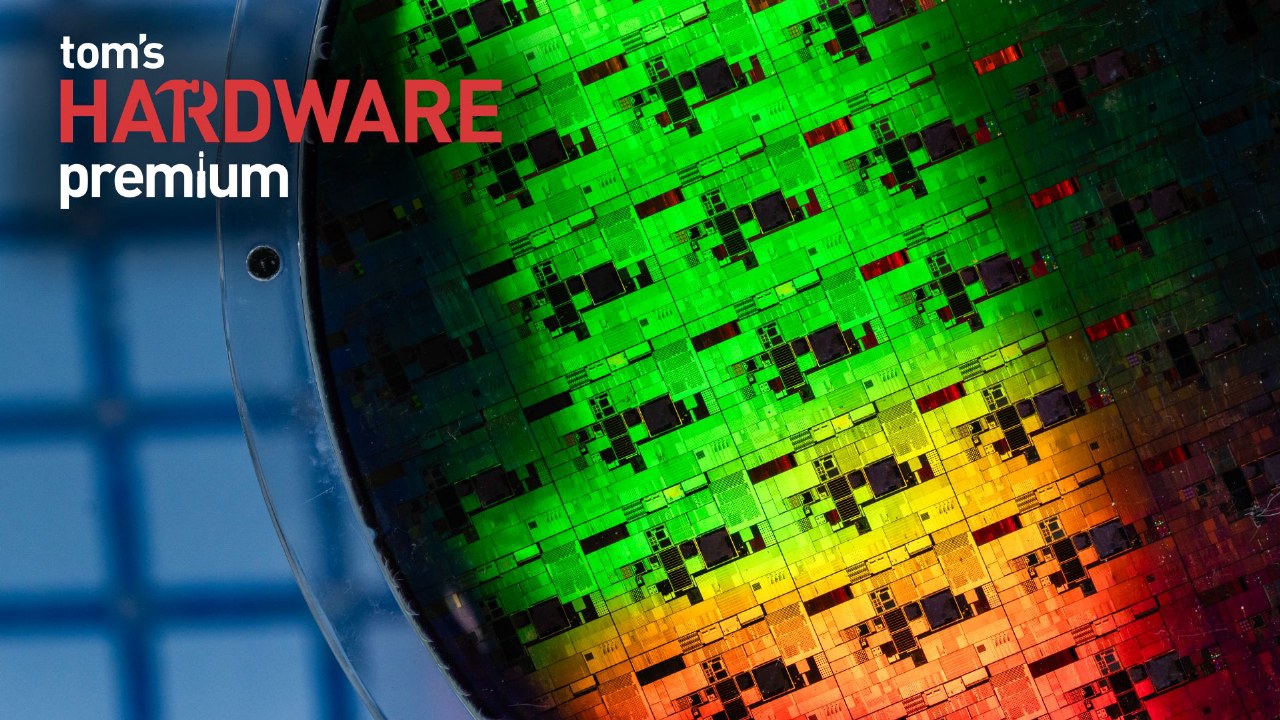
Helium is primarily extracted from natural gas and is used in a wide range of industries, from automotive safety systems to MRI scanners. Its most critical application is in semiconductor manufacturing, where it serves to cool and protect silicon wafers essential for the production of AI-supporting chips.
The designation follows the framework established by the Energy Act of 2020. Helium now joins a list of other critical elements, including cobalt, magnesium, and lithium, which are deemed essential for energy technologies and face significant risks of supply chain instability.