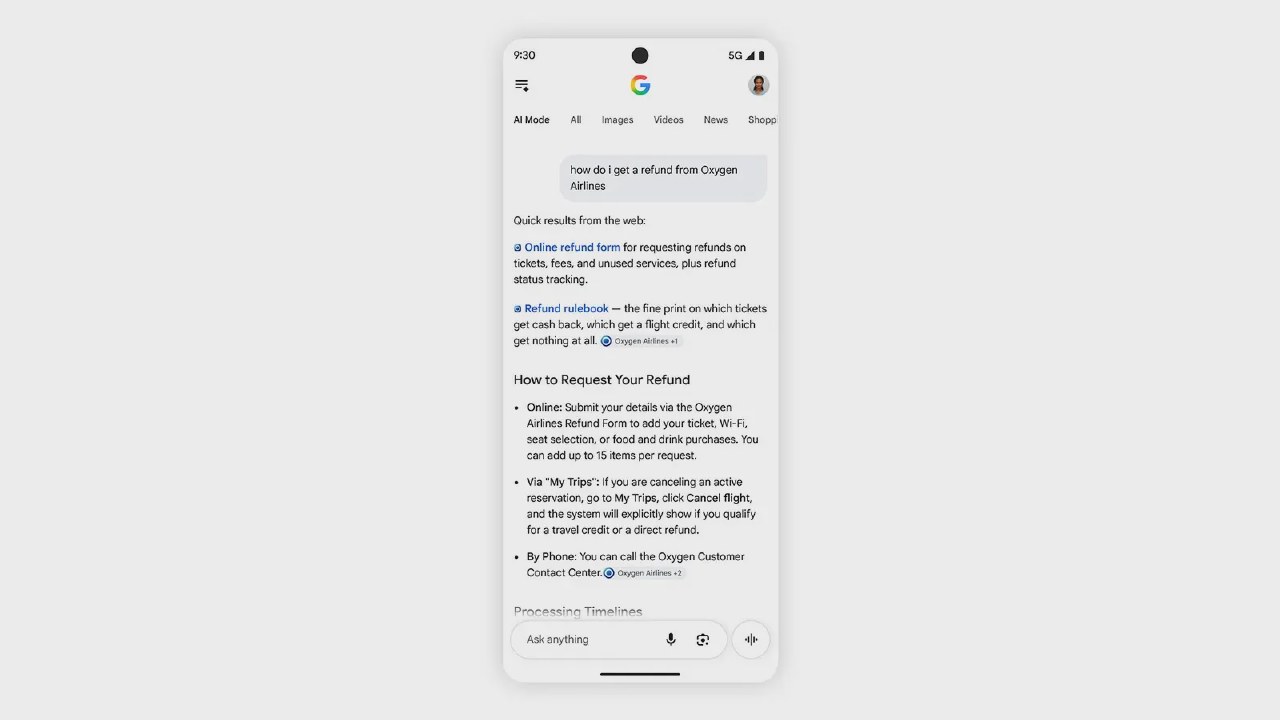
Google has launched a pilot program involving approximately 100 publishers to compensate websites for content used in Gemini-powered AI Overviews. While Google previously relied on traffic exchange, the shift toward AI-generated search results has necessitated a new payment model. However, the program faces criticism over low payouts and a lack of transparency regarding how contributions are measured.
Financial outcomes for participants vary significantly. One early partner expects to earn over $1 million annually, while others report receiving between $50,000 and $60,000. Many smaller sites report earnings of less than $1,000 over several months, which publishers claim fails to offset losses in organic traffic. Some larger publishers have declined to join, seeking more favorable terms.
Publishers note that niche topics like gaming and anime tend to generate higher payments, yet tracking these earnings remains difficult due to unclear criteria for what constitutes a meaningful contribution. This uncertainty makes financial forecasting impossible for participating media companies, leading to growing frustration among content creators.
Legal and regulatory pressures are mounting as publishers challenge Google's practices. The New York Times has filed a copyright infringement lawsuit, and Penske Media is suing over lost traffic, citing the inability to opt out of AI scraping without losing organic search visibility. Meanwhile, the UK government and the European Commission are investigating whether Google's compensation models are fair.