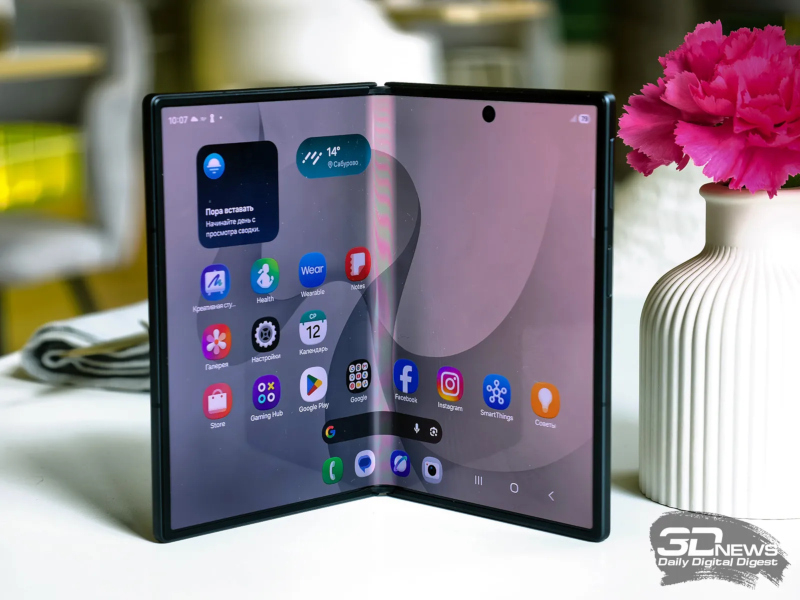
Google, Oppo, and Vivo are adopting a dual-UTG (Ultra-Thin Glass) display construction for their next-generation foldable smartphones. This design, which features two ultra-thin glass plates, was first implemented by Apple in an unannounced foldable iPhone.
Samsung Display is the manufacturer of these panels, adapting them to the specific requirements of Google, Oppo, and Vivo regarding thickness, durability, and structure. Mass production is expected to start in time for next year's foldable smartphone releases.
The technology is developed in partnership with Dowoo Insys, which supplies the UTG plates. The structure consists of one UTG layer above the OLED panel and another below it. The top layer, measuring several dozen microns thick, protects the screen from scratches and impacts, while the bottom layer reduces mechanical stress at the hinge and increases rigidity.
This approach differs from the current Samsung Galaxy Z series, which uses a single UTG layer on top and a Flex Titanium structure (titanium alloy film and reinforced titanium plate) underneath. While single-layer production is simpler and cheaper, Google, Oppo, and Vivo are prioritizing the durability and the reduction of screen creases to remain competitive in the premium segment.