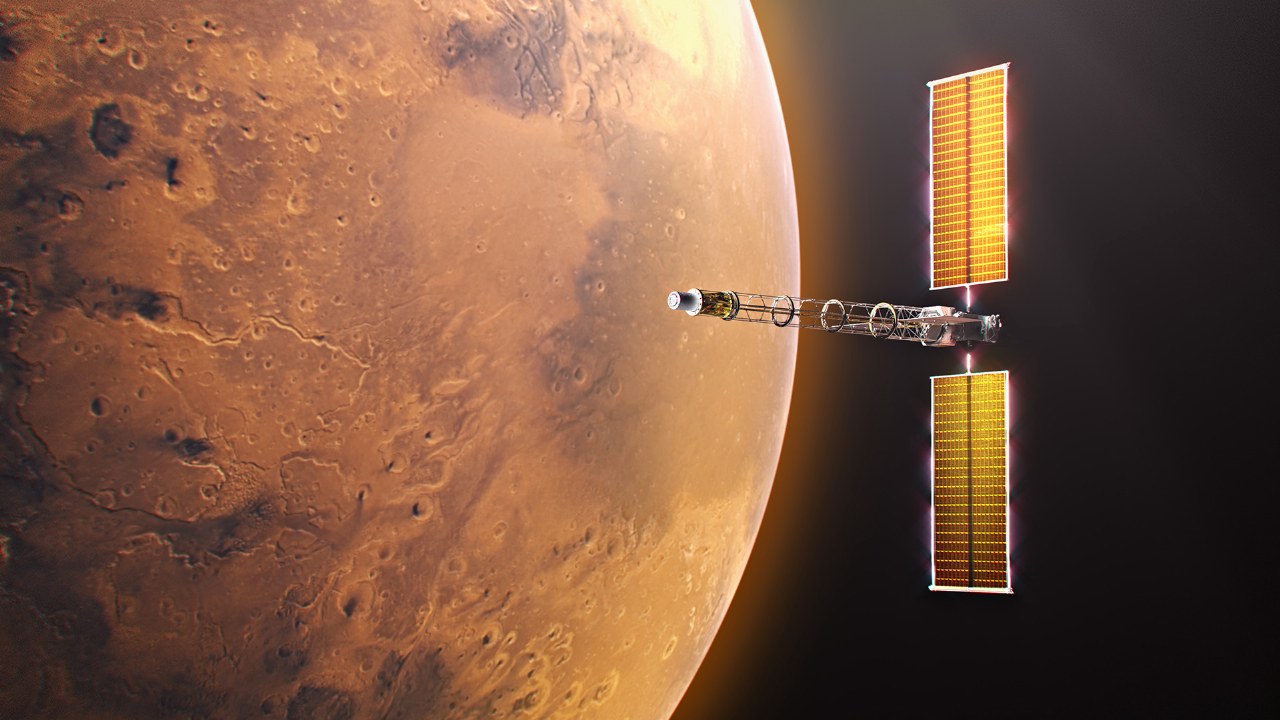
JAXA launched the Martian Moons eXploration mission on October 19 using the H3-24L rocket from the Tanagashima Space Center. The mission aims to study the moons Phobos and Deimos, with a planned return of soil samples to Earth in 2031. The spacecraft carries the IDEFIX rover, developed by CNES and DLR, which will be deployed at an altitude of 40-100 meters above Phobos.
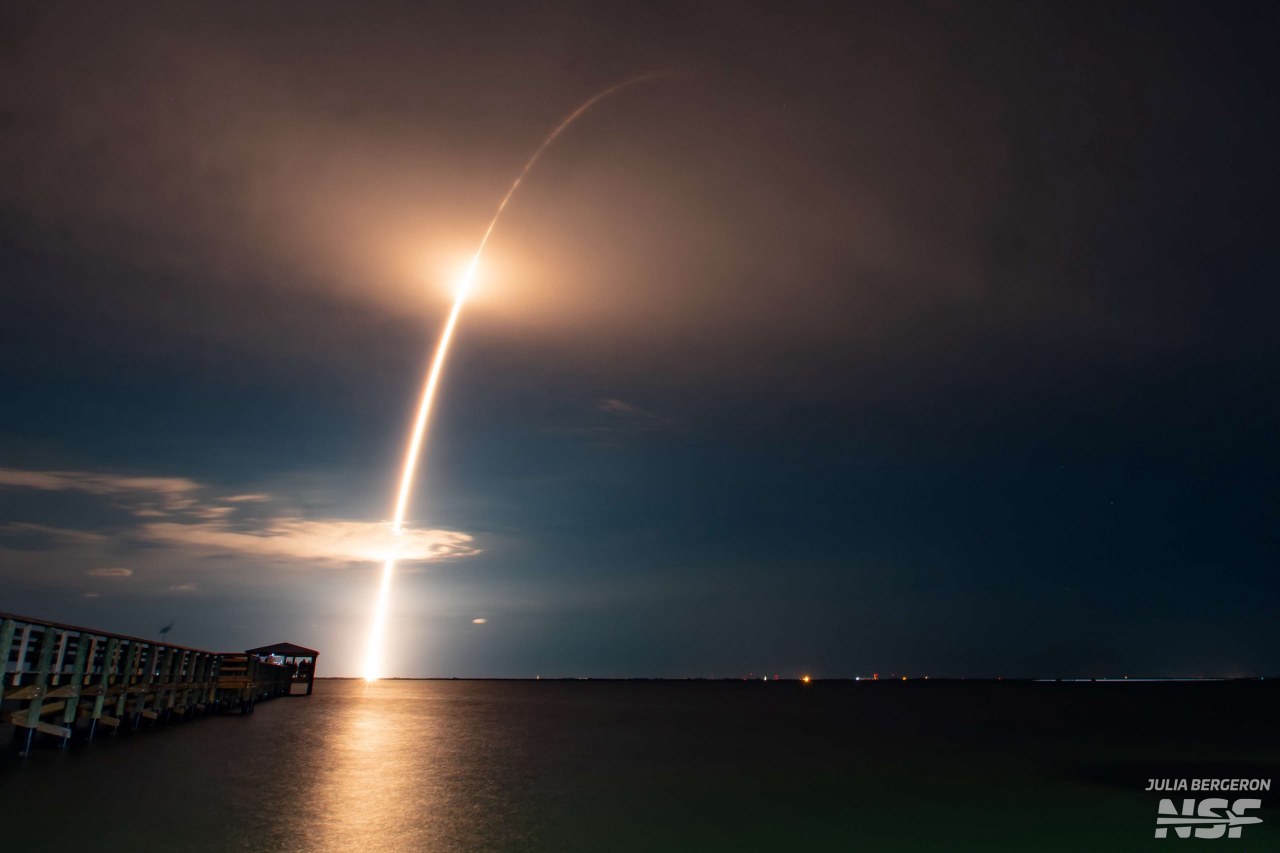
SpaceX continues a high-frequency launch schedule with multiple Falcon 9 missions this week. On October 20, the Bandwagon-5 mission deployed 31 payloads, including satellites from Exolaunch, Umbra Lab, and Tomorrow.io. Another Falcon 9 mission carried 27 Starlink v2 Mini satellites from Vandenberg Space Force Base, with further Starlink launches scheduled to conclude the week.
China has scheduled several launches, including a Ceres 1S from a sea platform and multiple Chang Zheng missions. The Ceres 1S, operated by Galactic Energy, is a small-lift vehicle capable of carrying 400 kg to low-Earth orbit. Additionally, the Chang Zheng 6A and 4B rockets are set to launch from Taiyuan and Jiuquan, respectively, carrying undisclosed payloads.
Rocket Lab is preparing to launch its Electron rocket from New Zealand to deliver three HawkEye 360 satellites into a Sun-synchronous orbit. This mission marks the 98th flight for the Electron vehicle. The rocket is designed to carry up to 300 kg to low-Earth orbit and 200 kg to Sun-synchronous orbit using its two-stage configuration.